
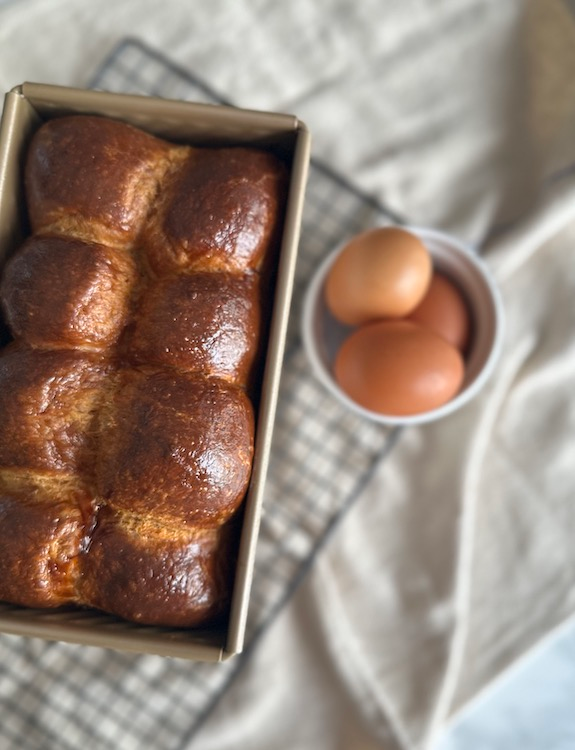
There’s a unique satisfaction that comes from pulling a perfectly risen, golden-brown loaf of bread from the oven. But for many home bakers, the journey to that ideal bake can be fraught with frustration – often due to the tiny, yet mighty, ingredient: yeast. This living microorganism, though small, holds the key to your bread’s texture, flavour, and rise, and it’s frequently misunderstood. Worry no more! This comprehensive guide, “Understanding Yeast: Your Guide to Perfect Fermentation,” is designed to demystify yeast, providing you with the knowledge and confidence to achieve consistent, successful, and truly delicious bakes every time.
What is Yeast?
Yeast is a fascinating, single-celled microorganism belonging to the fungus family. In baking, its primary role is to act as a leavening agent through a process called fermentation. During fermentation, yeast consumes sugars present in the dough (both natural sugars from the flour and any added sugars), converting them into carbon dioxide gas and alcohol. These by-products are what give bread its signature rise and complex flavour.
Types of Yeast for Baking
Understanding the different forms of yeast available is crucial for successful baking:
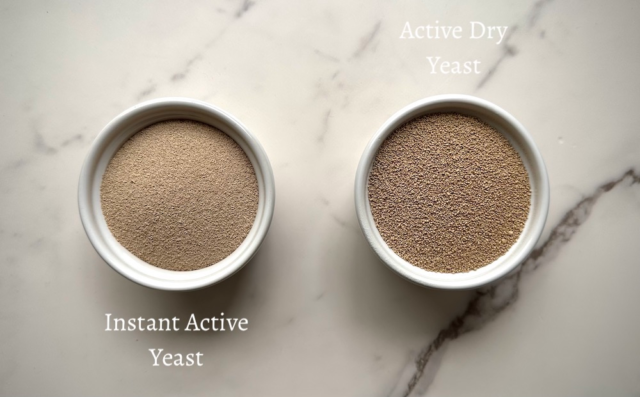
- Active Dry Yeast: This is the most common form for home bakers, sold as small granules. It requires “activation” or “proving” by dissolving it in warm liquid (around 36-38°C / 97-101°F) before being added to dry ingredients. This step ensures the yeast is alive and active.
- Instant Yeast: Also granular, but with smaller particles and a porous structure, instant yeast doesn’t require proving. It can be mixed directly with dry ingredients, making it very convenient and often faster-acting than active dry yeast.
- Fresh/Cake Yeast: Sold as a moist, compressed block, fresh yeast has a shorter shelf life and needs to be crumbled and dissolved in liquid before use. It’s often favoured by professional bakers for its consistent performance and subtle flavour.
- Sourdough Starter (Natural Yeast): This is a living culture of wild yeasts and beneficial bacteria, typically flour and water, maintained over time. It offers unique, complex flavours and a distinct tangy profile, requiring a different approach to feeding and proving compared to commercial yeasts.
How Yeast Works: The Science of Fermentation
The magic of yeast in baking lies in its ability to ferment. When yeast is introduced to a moist, warm environment with a food source (sugar), it begins to metabolise. This metabolic process produces two key by-products:
- Carbon Dioxide (CO2): This gas gets trapped within the elastic gluten network of the dough. As more gas is produced, it inflates the dough, causing it to rise and creating that desirable airy, open crumb structure.
- Alcohol & Other By-products: While most of the alcohol evaporates during baking, the other metabolic by-products contribute significantly to the complex aroma and depth of flavour in your finished bread. This entire process is highly dependent on temperature.
Factors Affecting Yeast Activity
Several factors can influence how effectively yeast performs:
- Temperature: Yeast thrives in warm, not hot, conditions. The ideal range for most baker’s yeast is 24-27°C (75-80°F). Too cold, and yeast becomes sluggish, leading to slow or no rise. Too hot (above 55°C / 130°F), and the yeast will die, preventing any rise at all.
- Food (Sugar): Yeast needs sugar to feed on. This can come from natural sugars in the flour itself (converted from starches by enzymes) or from added sugars in the recipe.
- Moisture: Water is essential for yeast to activate and for the fermentation process to occur. Without sufficient moisture, yeast remains dormant.
- Salt: While necessary for flavour and controlling gluten development, salt inhibits yeast activity. It’s crucial to add salt separately from yeast or after initial mixing to prevent direct contact that could kill the yeast.
- Fat/Enrichment: High amounts of fat (like in brioche) or sugar can slow down yeast activity by coating the yeast cells or drawing out moisture. This often necessitates longer proving times for enriched doughs.
- Yeast Substitution: Different types of yeast have varying strengths and activation requirements. While substitutions are possible, they often require adjustments to quantities or methods to achieve the desired result. Always refer to a reliable conversion guide when swapping yeast types.

Note: These conversions are approximate and may require slight adjustments based on your specific yeast brand and baking environment.
Troubleshooting Common Yeast Issues
Even experienced bakers encounter yeast challenges. Here’s how to troubleshoot common problems:
- Dough Not Rising: If your dough isn’t rising, first check your yeast’s viability (especially active dry yeast). The water might have been too hot (killing the yeast) or too cold (slowing it down). Also, ensure you haven’t added too much salt directly to the yeast, or that your yeast isn’t expired.
- Over-Proving: An over-proved dough might look puffy initially but then collapse, often developing a sour, alcoholic smell. This happens when the yeast runs out of food or produces too much gas, exhausting the gluten structure. Avoid this by monitoring your dough’s volume and performing the “poke test.”
- Dense/Heavy Bake: This can be a sign of under-proving (not enough rise) or issues with yeast activity. Ensure your yeast is active, your proving temperature is correct, and you’ve allowed sufficient time for the dough to double in size.
My Top Tips for Working with Yeast
- Checking Viability: For active dry yeast, always “prove” it first. Dissolve it in a small amount of lukewarm water with a pinch of sugar. If it foams within 5-10 minutes, it’s alive and ready.
- Proper Storage: Store yeast in an airtight container in the refrigerator or freezer to prolong its shelf life. Moisture and air are its enemies.
- Gentle Handling: Always use liquids at the correct temperature for the type of yeast you are using. Active dry yeast, requires warmer water than instant, fresh or starter. Avoid direct contact between yeast and salt when initially combining ingredients.
- Patience: Proving times are guidelines, not strict rules. They vary based on room temperature, humidity, and dough ingredients. Learning to read your dough, not just the clock, is key. If you struggle with inconsistent room temperatures, consider building your own Homemade Dough Proofer.
- Measuring Accurately: For consistent results, especially with yeast, use a digital scale to weigh your ingredients rather than relying on volume measurements.
Conclusion
Understanding yeast is truly the cornerstone of successful baking. By grasping its fundamental nature, the different types, and the factors that influence its activity, you gain immense control over your bread-making process. Empower yourself to experiment with confidence, knowing you can troubleshoot common issues and achieve that perfect rise and flavour every time. Now put your newfound knowledge to the test with my ‘Super Soft White Bread’, ‘Rich and Buttery Brioche’, or ‘Classic Sourdough Loaf’ recipes! Happy baking!