
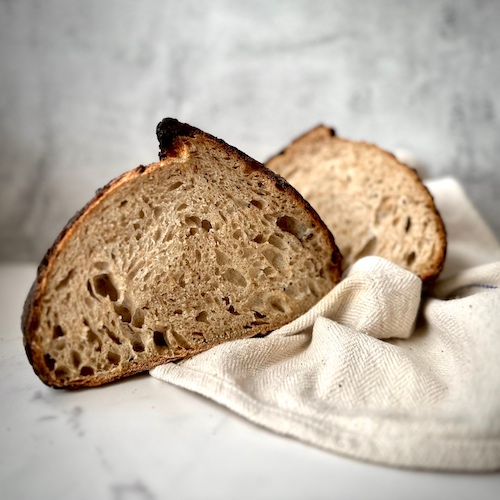
Ever wonder why your bread is sometimes tough, or your cakes are crumbly? Well it has everything to do with the gluten content and its development. In this section I’m going to walk you through “what is gluten?”, “why protein percentages matter” and “how it affects baking.”
By the end of this section all the fears and misconceptions will be eliminated and you will have the basic understanding of what gluten is and how to manipulate it to work for you to create perfect recipes.
So where do you find gluten and what is it?
Let’s start with where we find gluten. Gluten is a group of proteins found in wheat, barley and rye. Gluten can also be found in other grains such as spelt, farro and triticale (a cross between wheat and rye). Gluten is typically present is foods like bread, pasta and cereals, it can also be found in oats, although oats are naturally gluten free, they may have been processed along other foods that contain gluten.
Note, I mentioned “gluten is a group of proteins,” let’s eliminate the main misconception most of us have. Most of us think that flour contains gluten, this isn’t quite true. Flour has the ability to develop gluten. Flour contains 2 types of proteins: glutenin (in wheat) and gliadin, the combination of the 2 proteins is what forms gluten once flour is hydrated.
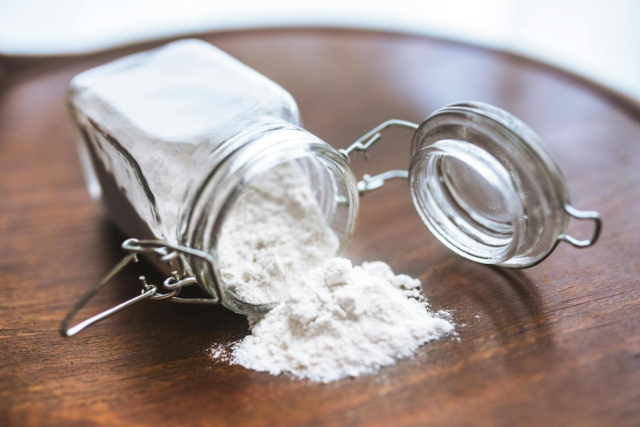
Why do protein percentages matter?
All packages of flour will print nutritional values, where you will find the protein content of that specific flour. Theoretically speaking the higher the protein content the more gluten-forming proteins the flour has, essentially the higher the protein content the “stronger” the flour is.
Bread flour will contain a protein percentage of 12% – 15%
Plain flour (All-purpose flour) is has a slightly lower protein, typically 10%-12%
Cake flour is below 10%, while cake flour is readily available in most parts of the world it is not commonly found in the UK, however there are many plain flours that contain a low protein percentage.
Based of this, just by knowing the protein content of your flour you can find the correct purpose for it regardless of the label on the packet.
How is gluten developed?
Simply put, it is developed by hydrating flour. Adding a liquid to flour will cause the glutenin and gliadin to start forming bonds that link together resulting in the development of gluten strands.
Each protein has its own purpose, glutenin is responsible for the elasticity of the dough, while gliadin lends itself to its extensibility allowing the dough to be stretched. Once flour is hydrated, gluten will start to develop naturally, mixing and kneading boosts gluten to develop more, the movement agitates gluten strands to connect and form a network faster but most importantly stronger!
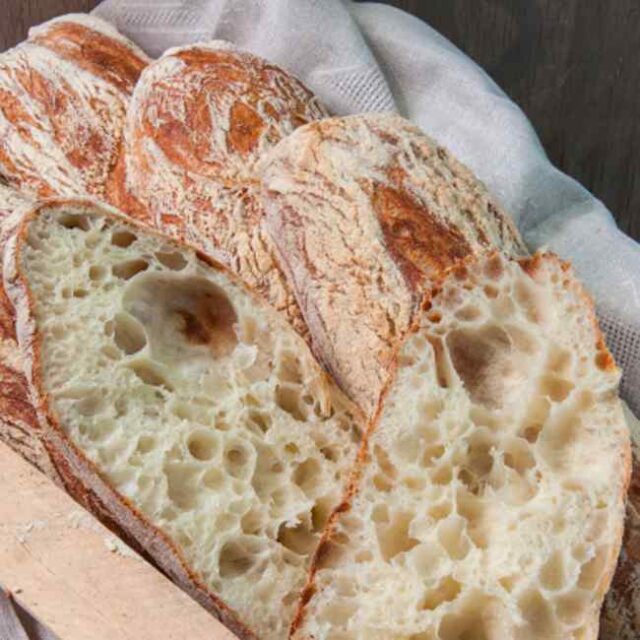
So how does this impact baking?
Well its important to know how much gluten you need to develop!
Looking back on what we have learnt so far, bread flour due to its higher protein content has the ability to form more gluten strands giving it a tighter and stronger structure. The development of gluten strands are a web like structure, the more and stronger we develop this structure the more carbon dioxide gas bubbles can be trapped, resulting in more air in the baked good and thus a higher rises. Simultaneously the more gluten we develop the longer and stronger the gluten strands become, giving the final product chewiness and toughness making it ideal for most bread loafs.
While plain flour and cake flour have lower protein content making them ideal for cakes, muffins, flat breads and other tender goods. The goal here is to create a tender crumb, for these products we want to develop as less gluten as possible, we don’t want the gluten strands to form like in a bread dough. The lower protein content means we have less of a chance of over agitating gluten development which would result in a tight crumb structure and tough bite.
Common mistakes & How to fix them! Here’s my top tips:
- Your bread is too dense or tough: this is caused by under-kneading your dough. Knead for longer until to achieve correct elasticity. You can test this by using the window pane method (take a part of the dough and stretch it with your fingers, correct gluten development will allow you to stretch it thin without tearing, where you can almost see through the dough, hence window pane)
- Your bread is gummy and tough: this is caused by over-kneading. The dough has gone past the window pane stage and started to tighten due to over development of gluten, the dough will look rough, feel tight and just tear apart. Reduce the time spent on kneading, time frames for kneading vary person to person. If kneading by hand allowing the dough to rest for 10 mins between 5 minutes increments of kneading can help control gluten development.
- Your dough is too sticky: the main cause here is improper hydration. Over hydrating your dough will make the dough sticky and difficult to work with. Its key to follow a recipe, but remember know your flour and environment. Your flour protein content could be lower than the flour used in the recipe you are using, also your environment, if you live in a humid climate the additional moisture in the air will also impact the hydration percentage. In both cases reduce the percentage of liquid by a 2-3% and try again! Practice makes perfect.
- Your dough isn’t rising: this is a result of poor temperature control. In most cases lukewarm water (38oC/100oF) is used in recipes, mainly to help activate the yeast in the recipe. What we need to keep in mind is when kneading the dough especially in a stand mixer is that the temperature of the dough rises as it is kneaded. Yeast strives in an environment between 24-29oC (75-85oF), it’s key to test the temperature of your dough after kneading. Although yeast technically doesn’t die until the temperature exceeds 49oC (120oF) if the dough temperature exceeds 30oC (86oF) after kneading the temperature will continue to rise during bulk fermentation hindering the performance of the yeast. Know the type of yeast you are using, is it key to use lukewarm water? And test the temperature of the dough after kneading!
Let’s put it all together:
This is what you knead (get it?) to know: once flour is hydrated gluten starts to form. Agitating a dough whether it be kneading, stretching and folding or mixing, develops the gluten further making the protein structure stronger.
A strong gluten development means more and longer gluten strands resulting in a stronger structure and higher rise with a chewy texture. For this we want to use a high protein flour like bread flour which has more gluten potential. For tender baked goods like cake we want to avoid too much gluten development, so avoid overmixing batters and use a low protein flour like plain flour or if available cake flour.
Now you are equipped with the basic understanding of gluten, you’re on your way to mastering the very essence of your bakes. Empowered with this new found knowledge, with the understand of how to troubleshoot and adapt, go forth and experiment with confidence!
Gluten in action: See the science in my recipes
Decadent Red Velvet Cream Cheese Cookies:
- Why: Your description for baking powder specifically mentions it’s “more to give the cakey texture.” This is an excellent example of how you manage gluten (and use leavening) to achieve a tender, cake-like crumb in a cookie, rather than a chewy or crisp one.
Super Chewy Oatmeal & Raisin Cookies:
- Why: Your plain flour description for this cookie explicitly notes it has a “lower gluten content than others” and that baking powder is needed to compensate for spread. This is a fantastic example of a recipe where the gluten content is naturally lower (due to oats) and how leavening agents are crucial to ensure proper structure and prevent thinness.
- Why: This cake is an excellent example of a bake where gluten development needs to be carefully controlled and minimised. The goal is a light, tender, and airy crumb, not a chewy one. You can discuss how using plain flour (with its moderate protein content), gentle mixing methods (like creaming butter and sugar), and the role of leavening agents (like baking powder) work together to create structure without over-developing gluten, resulting in that perfectly delicate sponge.
Share your gluten-mastered creations with us, or explore more science-backed topics in our Baking Science 101 series! Happy Baking!