

There is a profound, grounding joy in the rhythm of bread-making that few other kitchen tasks can match. The scent of a fresh Soft & Hearty Wholemeal Loaf cooling on the counter, earthy, nutty, and kissed with the mellow sweetness of honey, is the ultimate definition of ‘home.’ This isn’t just a recipe; it’s an invitation to slow down and connect with your food. We start with robust wholemeal flour, full of texture and character, and treat it with the respect it deserves. From the high-energy ‘slap and fold’ on a clean bench to the delicate ‘stitching’ of the dough, every step is designed to build a loaf that is as beautiful to look at as it is nourishing to eat. If you’ve been searching for that perfect daily bread that balances artisanal soul with a soft, sandwich-ready crumb, you’ve found it.
Ingredients

- Wholemeal Flour (14% Protein) – The heart of the loaf. We use a high-protein wholemeal to ensure a strong gluten network that can support the weight of the bran and germ, providing that characteristic rustic bite and complex earthy profile.
- Water – The primary hydrating agent. Precision in water temperature is key here to activate the yeast effectively and begin the autolyse process, ensuring the flour is fully hydrated for a more extensible dough.
- Instant Yeast – A high-activity yeast selected for a clean, reliable fermentation. It works in tandem with the natural sugars in the honey to produce a steady rise and a light, aerated internal structure.
- Extra Virgin Olive Oil – More than just a fat, it acts as a dough conditioner. It coats the gluten strands to increase elasticity and ensures the finished crumb stays moist and tender for days, while adding a subtle, peppery finish.
- Salt – Essential for both flavour and function. It tightens the gluten structure, providing the necessary tension for the loaf to hold its shape, while expertly balancing the sweetness of the honey.
- Honey – A natural humectant that draws in moisture. Beyond its mellow, floral sweetness, it assists in the Maillard reaction during baking, leading to a deep, mahogany-coloured crust.
- Whole Milk (The Wash) – Reserved exclusively for the finish. Brushing the dough with whole milk just before it hits the oven creates a delicate, lacquered sheen and a slightly softer crust than a standard water spray.
All The Equipment You Will Need
- Stand Mixer
- Pullman Loaf Tin
- Mixing Bowl
- Pastry Brush
- Digital Scale
- Micro Digital Scale
- Dough Prover (Optional) – Click on the link to see how I made mine at home
Storing Wholemeal Loaf
-
At Room Temperature: To enjoy the loaf at its peak, store it in a cool, dry place wrapped in parchment paper or a breathable linen bag for up to 4 days. This preserves the crust’s texture while allowing the honey and olive oil to keep the crumb naturally moist.
-
Refrigeration: While the fridge can extend the life of the loaf for up to one week, be aware that refrigeration can accelerate the staling process (retrogradation) of the starches. If refrigerating, ensure the loaf is tightly wrapped in beeswax wrap or an airtight container, and always toast the slices before serving to revive the fats and aromas.
-
Freezing for Longevity: For long-term storage, this loaf freezes exceptionally well for up to 3 months. I recommend slicing the loaf before freezing; place parchment dividers between the slices and seal them in a heavy-duty freezer bag. This allows you to toast individual portions directly from frozen, perfectly capturing that ‘fresh-out-of-the-oven’ quality.
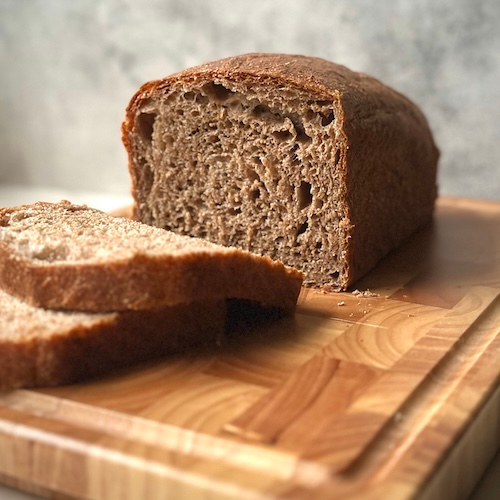
Soft & Hearty Wholemeal Loaf
Ingredients
Equipment
Method
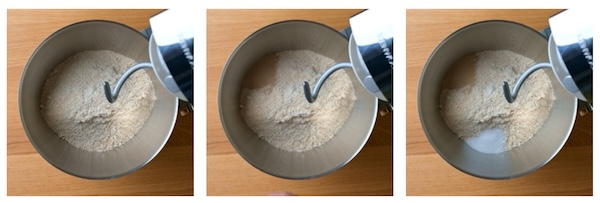
- Into a stand mixer fitted with a dough hook add wholemeal flour, instant yeast and salt.

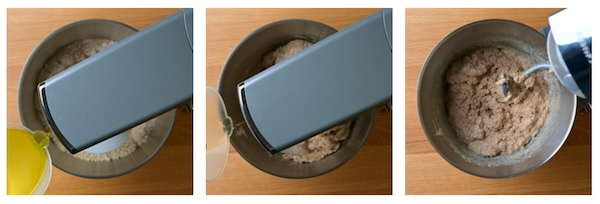
- To the water add honey and stir to dissolve, followed by the olive oil. Turn the mixer on at a low speed and slowly drizzle in the liquid until it all incorporates and continue to mix for 2 minutes.

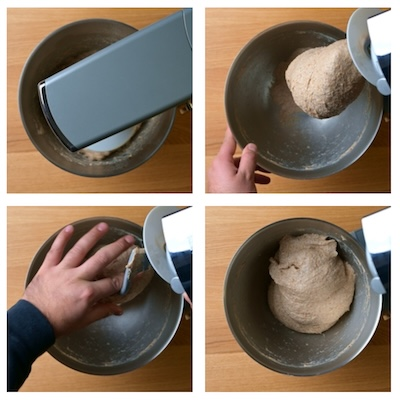
- Next turn the mixer up to high and mix for 7-8 minutes until the dough forms a ball around the hook and is pulling away from the sides of the bowl.

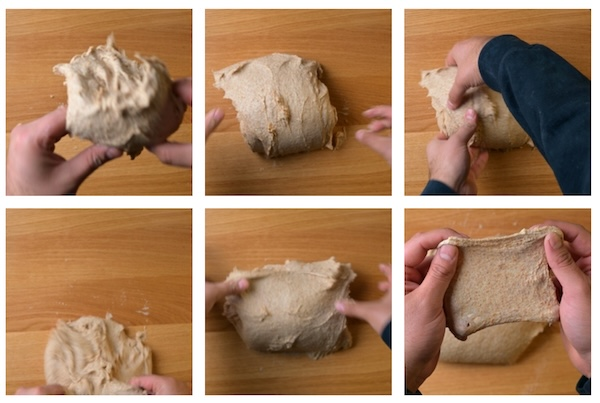
- Turn the dough out onto a clean, unfloured surface. Perform a series of "slap and folds" for 2 to 3 minutes. Lightly damped your hands pick up the dough, SLAP it on the counter and FOLD over itself. Pick up the dough rotating 90° and repeat.

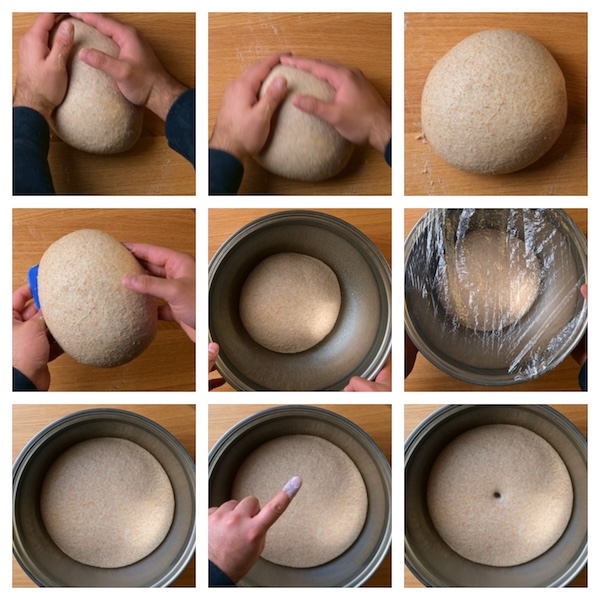
- Shape the dough into a tight ball and place it into a lightly greased bowl. Cover1 and leave it to prove in a prover or warm area for 1 hour and 30 minutes, or until it has roughly doubled in size. Poke Test2

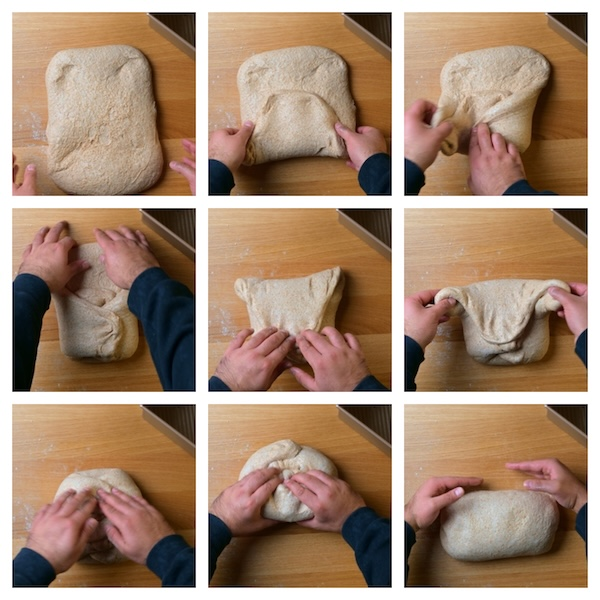
- Gently turn the dough out onto a lightly floured surface—be careful not to punch the air out. Stretch it into a rectangle and perform an envelope fold (bottom up, sides in, top down). Stitch the "shoulders" and "hips" to build tension, roll into a tight log.
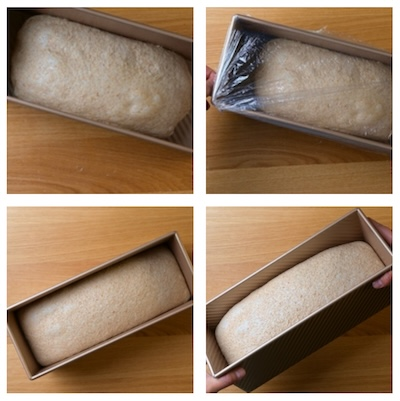
- Place seam-side down into a greased loaf tin and cover. Allow for a final prove (approx. 1 hour) until it has risen by 75–80%.
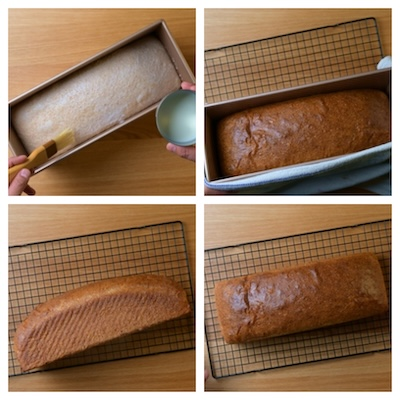
- Preheat your oven to 180°C (356℉). Gently brush the surface of the loaf with a milk wash and bake for 35 minutes until the crust is mahogany. Leave to cool in the tin for 15–20 minutes before moving to a wire rack to completely cool.

Notes
- To cover the bowl I use a shower cap as i can reuse it again for the second prove. You can also cover it with cling film or plastic wrap, or a damp tea towel.
- Poke Test: will let you know if the dough is perfectly proved. Lightly flour the tip of you finger and poke the centre of the dough, the dough should spring back slowly with the indent remaining.
- Proving times will vary depending on room temperature, I use a dough prover I have made at home, click here to find out how.