
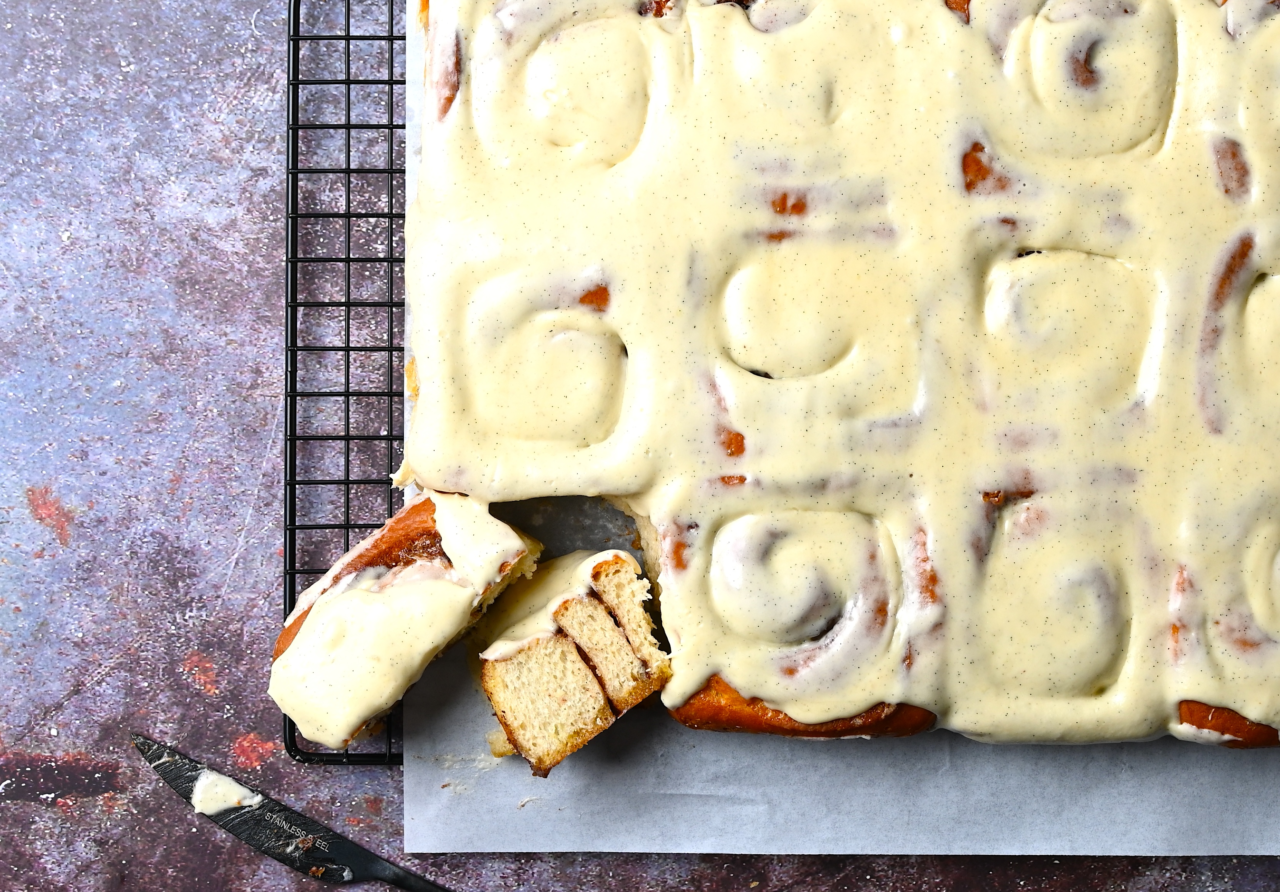
Achieve the ultimate bakery-standard result with this technical guide to the perfect brioche-based roll. We’ve moved beyond standard doughs to focus on the science of a high-hydration, enriched brioche that undergoes a long, cold fermentation. This essential 12–24 hour rest doesn’t just develop a complex, lactic tang; it transforms the dough into a workable medium that allows for precise tension during the rolling process, resulting in a spiralled masterpiece with a structural integrity that remains incredibly light.
By mastering this method, you’ll produce a melt-in-the-mouth, pillowy crumb that defies the typical one-day shelf life of home baking. Each roll is finished using a two-stage glazing technique: a velvety cream cheese frosting that first melts into the warm, cinnamon-spiced capillaries for a professional ‘gooey’ core, followed by a thick, decadent layer on top. The result is a cinnamon roll that isn’t just a treat, but a study in perfect dough texture, soft, rich, and indulgent for days.
Ingredients
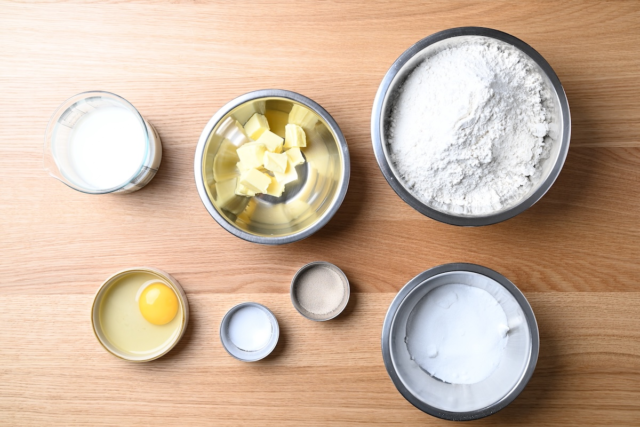
The Dough
-
Bread Flour (12-14% Protein) – The high protein content is critical for building a strong gluten network. This allows the dough to support the heavy weight of the butter and sugar while maintaining the “tension” needed for those perfect spirals.
-
Sugar – Beyond sweetness, sugar acts as a tenderiser by interfering with gluten development, ensuring the roll stays soft rather than chewy. It also provides the fuel for the yeast to thrive.
-
Salt – A vital regulator that controls yeast activity and strengthens the gluten strands, ensuring the dough doesn’t over-expand and collapse.
-
Instant Yeast – The leavening agent responsible for the “lift.” Its instant form allows for direct mixing without prior hydration, ensuring a consistent ferment during the long cold-proof.
-
Whole Milk – Adds moisture and fats. The lactose in the milk contributes to a softer crumb and a beautiful golden-brown caramelisation of the crust (the Maillard reaction).
-
Whole Egg – Provides structure, colour, and extra fat. The lecithin in the yolk acts as a natural emulsifier, binding the water and fats together for a more cohesive, enriched dough.
-
Unsalted Butter – The heart of the brioche base. By “feeding” it in slowly, we coat the gluten strands in fat, resulting in that signature melt-in-the-mouth texture.
-
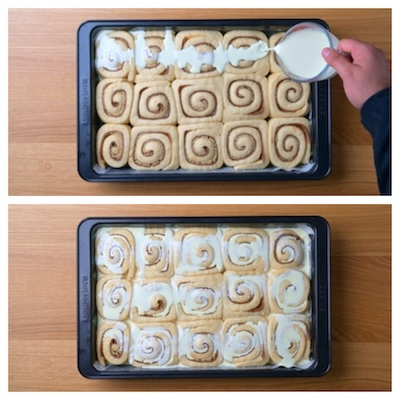
Whipping Cream (35-40% Fat) – Poured over the rolls just before baking, the high fat content creates a steam-bath effect. This keeps the sides of the rolls incredibly soft and creates a “gooey” bottom that mimics high-end bakery results.
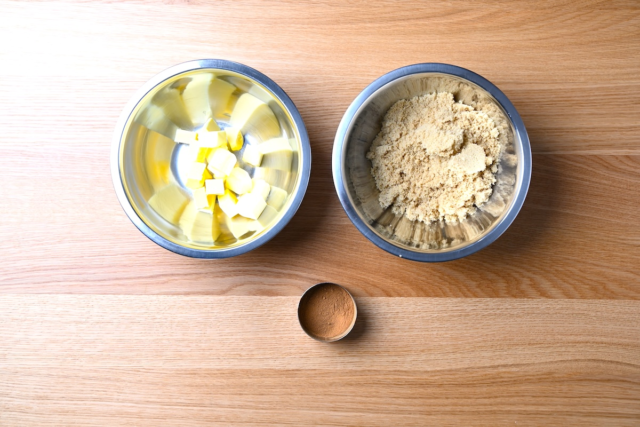
The Filling
-
Unsalted Butter – Must be very soft to create a spreadable emulsion with the spice. It carries the cinnamon flavour deep into the dough layers.
-
Ground Cinnamon – Provides the warm, aromatic woody notes that define the recipe.
-
Light Brown Sugar – The molasses content adds a slight acidity and a deep caramel notes, creating a syrupy “liquid gold” interior when combined with the melting butter and cream.
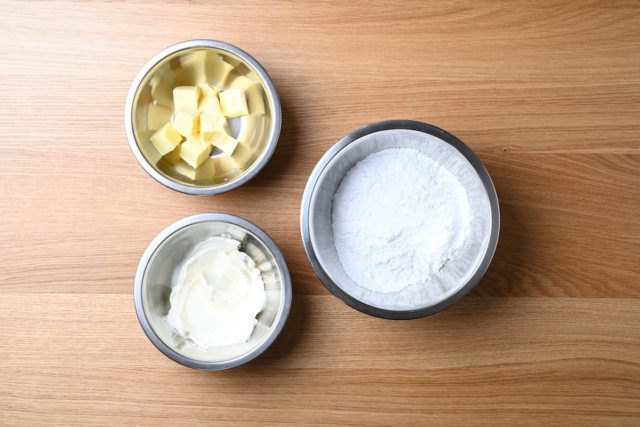
The Frosting
-
Cream Cheese – Provides the essential lactic tang to balance the high sugar content of the rolls. Its acidity “cuts” through the richness of the brioche.
-
Unsalted Butter – Adds stability and a silky mouthfeel to the frosting, ensuring it holds its shape while remaining spreadable.
-
Icing Sugar – Finely milled to dissolve instantly into the fats, creating a smooth, grit-free finish.
-
Vanilla Paste – Offers a sophisticated floral aroma and those characteristic black specks that signal a premium, professional product.
All The Equipment You Need
Storing Your Pillowy Cinnamon Rolls
Short-Term: Room Temperature
Shelf Life: 1 to 2 days.
Method: Once the rolls have completely cooled and the frosting has set, store them in an airtight container or cover the baking tray tightly with cling film. They are safe at room temperature for up to 48 hours, which helps the brioche maintain its soft, pillowy texture without the starch retrogradation (firming) that happens in the fridge.
Note: If your kitchen is particularly warm or humid, the cream cheese frosting may become too soft; in this case, move them to the fridge sooner to preserve the topping.
Mid-Term: Refrigeration
Shelf Life: 4 to 5 days.
Method: Wrap the rolls tightly in cling film or place them in a high-quality airtight container. This is essential to prevent the dough from absorbing any “fridge odours” and to keep the moisture from the cream soak locked in.
Serving Tip: Refrigeration will cause the butter in the brioche to firm up, making the rolls feel dense. For the best experience, always reheat before serving. Microwave for 20–30 seconds, or warm in a 150°C oven for 8 to 10 minutes until the frosting begins to glisten and the crumb regains its “squish.”
Long-Term: Freezing
Shelf Life: Up to 3 months.
Method: These rolls freeze exceptionally well thanks to the high fat content from the butter and the whipping cream soak.
-
Ensure the rolls are chilled thoroughly in the fridge first to set the frosting.
-
Wrap individual rolls (or the entire tray) in a double layer of cling film, followed by a layer of heavy-duty aluminium foil to prevent freezer burn.
Thawing: Thaw overnight in the refrigerator. To restore the professional “fresh-out-the-oven” texture, reheat in a 150°C oven for 10–12 minutes. The heat will re-activate the fats, making the roll gooey and soft once again.
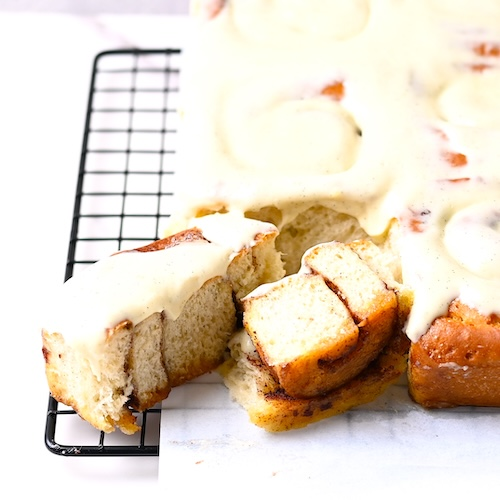
Mastering the Classic: The Pillowy Cinnamon Roll
Ingredients
Equipment
Method
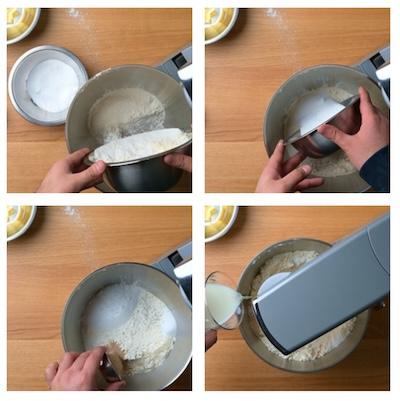
- In a stand mixer bowl fitted with the dough hook, combine the flour, sugar, salt, and instant yeast. Start the mixer on low speed and slowly stream in the warm milk and egg, mixing until a shaggy dough begins to form.

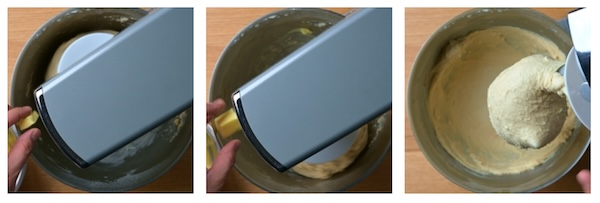
- With the mixer still on low, gradually feed the butter into the dough, piece by piece. Once the butter is incorporated, increase the speed to medium and knead for 4 minutes until the butter has completely dissolved into the gluten structure.

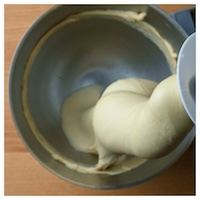
- Turn the mixer to high and continue kneading for approximately 5 minutes, or until the dough is elastic and "cleans" the sides of the bowl completely.

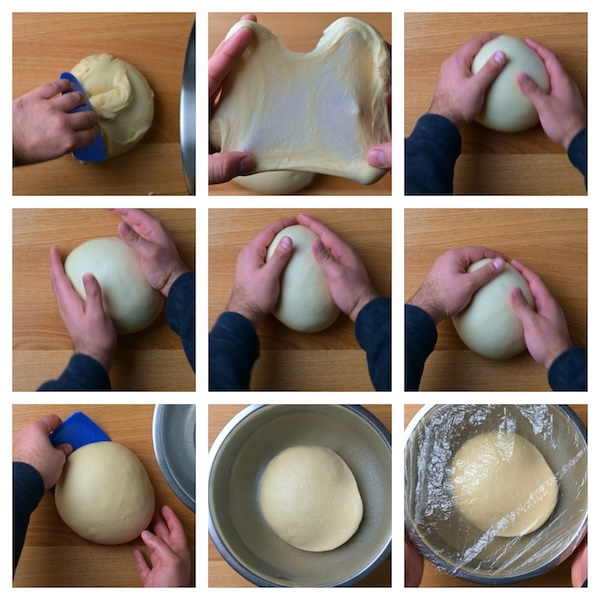
- Turn the dough out onto a clean work surface. Perform a few "slap and folds" to build final surface tension, then let the dough rest for 5 minutes. Shape into a smooth ball and place into a greased bowl. Cover with a shower cap or cling film and transfer to the fridge for a cold proof of 12 to 24 hours (18 hours is ideal) to develop flavour and make the dough easier to handle.

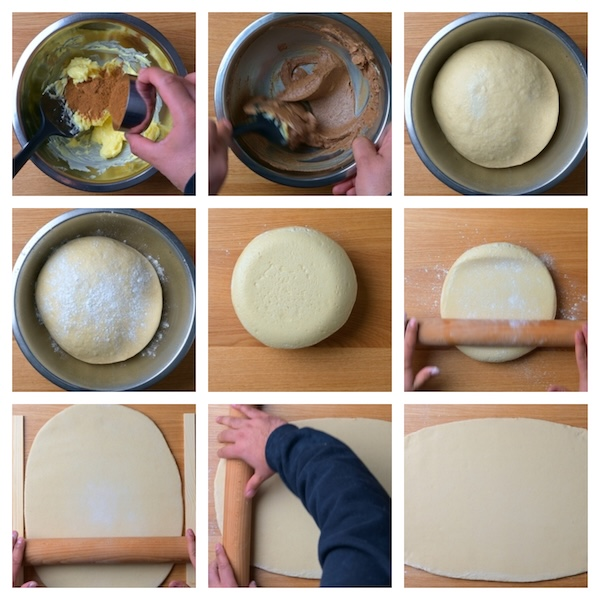
- Prepare the filling by combining the cinnamon and softened butter. On a lightly floured surface, roll the chilled dough into a 50x30cm rectangle, aiming for a precise 5-7mm thickness (use rolling guides for total accuracy).
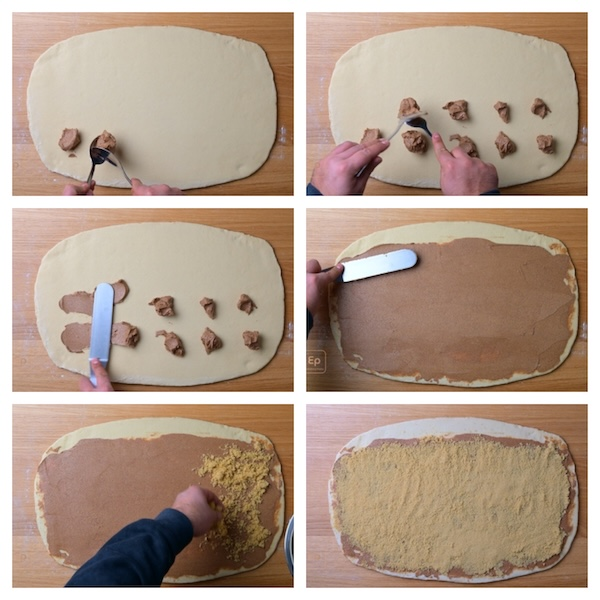
- Dollop the cinnamon butter over the dough and spread evenly with a palette knife, leaving a 1cm bare border along one long edge to seal. Evenly sprinkle the light brown sugar over the butter.
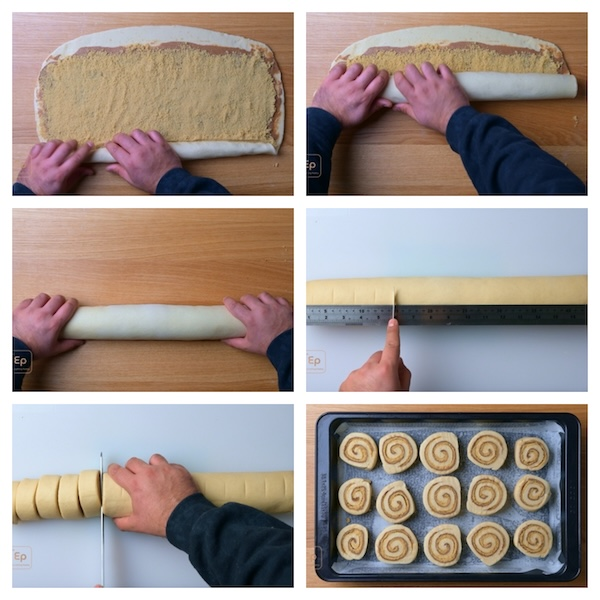
- Tightly roll the dough into a log. Trim the uneven ends, then mark the log at 3cm intervals. Use a sharp serrated knife to cut the rolls and arrange them on a lined baking tray.
- Cover with cling film and prove at room temperature for 2 hours until doubled in size and pillowy.
- Preheat your oven to 160°C (320℉). Just before loading into the oven, pour the room-temperature cream over the proved rolls, this creates the signature "bakery-style" gooey texture. Bake for 25–30 minutes until lightly golden.

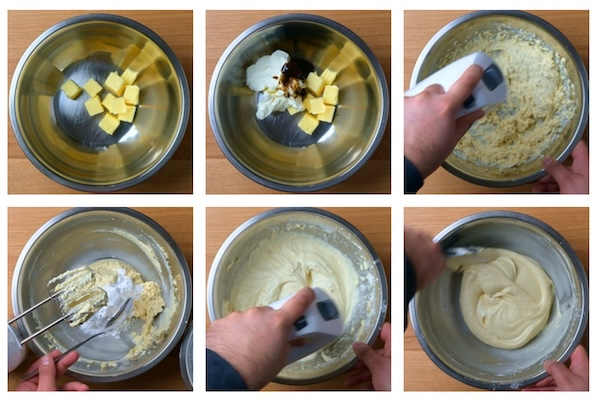
- While the rolls bake, cream together the cream cheese and butter until fluffy. Gradually add the icing sugar and vanilla paste until smooth.

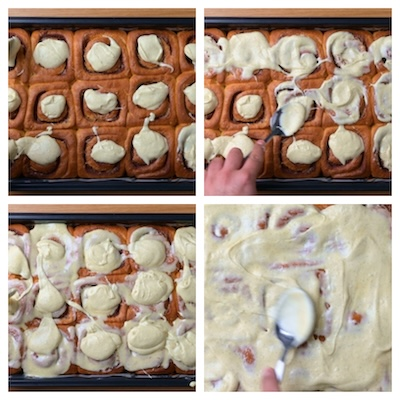
- Remove the rolls from the oven and cool for 5 minutes. Spoon over ⅓ of the frosting while the rolls are hot so it seeps into the spirals. After a further 15 minutes, apply the remaining frosting for a thick, velvety finish. Allow to cool slightly before serving.
Notes
- The Windowpane Test: To ensure you’ve developed enough gluten during step 3, perform a "windowpane test." Take a small piece of dough and gently stretch it; it should become thin enough to see light through it without tearing. if it snaps, knead for a further 2 minutes.
- Why the Cold Proof? The 12–24 hour rest in the fridge isn't just for flavour development. Cold dough is significantly easier to roll into a tight, neat spiral. Attempting to roll this high-enrichment dough at room temperature will result in a messy, loose coil.
- The Secret of the Cream Soak: Pouring cream over the rolls before baking is the "bakery secret" for ultra-soft edges. The dough absorbs the liquid as it expands in the oven, preventing the outer layers from becoming crusty or dry.
- Preventing "Leaking" Butter: Ensure your butter and cinnamon mixture is very soft but not melted before spreading. If the butter is liquid, it will leak out of the bottom of the rolls during the proofing stage rather than staying nestled within the layers.
- The Two-Stage Frosting: We apply the frosting in two stages for texture. The first 1/3 melts into the warm crumb to keep it moist; the final 2/3 sits on top to provide that thick, velvety aesthetic.