
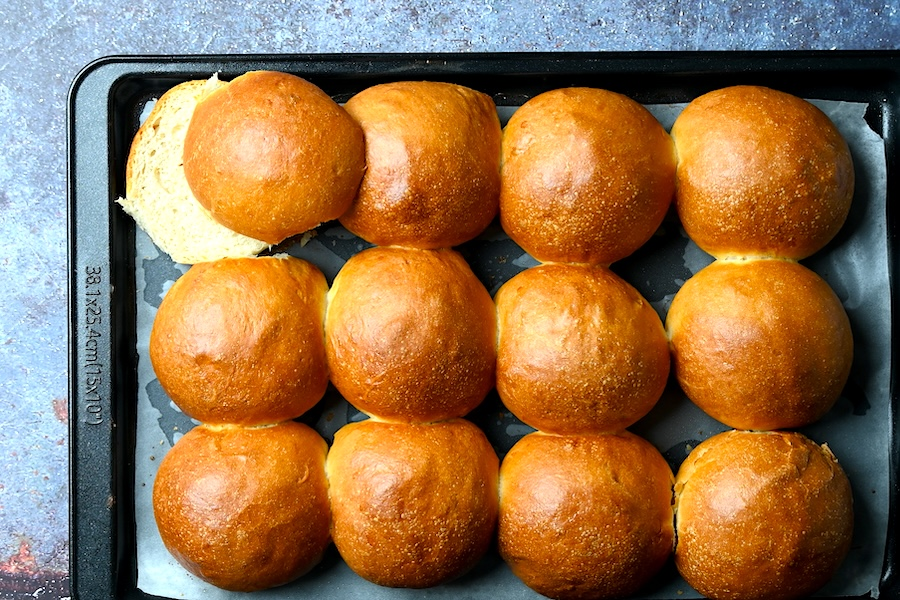
Experience the pinnacle of bread texture with these ultra-soft rolls, engineered for a lasting, ‘cloud-like’ crumb that defies the usual laws of staling. If you’ve ever wondered why bakery-bought milk bread stays soft for days while home-baked rolls can turn dry by evening, the secret lies in the science of starch pre-gelatinisation.
By utilising a Tangzhong starter, a traditional Asian technique of cooking a small portion of the flour and milk into a roux, we lock in maximum hydration at a molecular level. This process allows the dough to hold significantly more moisture without becoming unworkable, resulting in a roll that stays incredibly moist, tender, and ‘squishable’ long after it leaves the oven.
Combined with the silky richness of whole milk and a touch of honey, this technical method produces a professional-grade bun with a signature, feathery ‘shred’ when pulled apart. Whether you’re serving these at a dinner party or using them for the ultimate sandwich, these rolls offer a delicate, golden finish and a sophisticated depth of flavour that only a patient, technical approach can achieve. This isn’t just a recipe; it’s a masterclass in moisture retention.
Ingredients

The Tangzhong
-
Bread Flour (12-14% Protein) – In this starter, the high protein count is about more than just strength. When whisked with the milk and heated, these proteins and starches undergo gelatinisation, creating a “moisture trap” that holds liquid inside the dough throughout the baking process.
-
Whole Milk – We use milk here instead of water to introduce fats and proteins at the earliest stage. This creates a richer, more stable roux that significantly delays the staling process (starch retrogradation).
The Main Dough
-
Bread Flour (12-14%) – This is the foundation of your roll. At a 76.3% hydration level, you need the “muscle” of high-protein flour to build a gluten network capable of trapping air bubbles. Without this specific protein range, the rolls would lose their height and become dense.
-
Whole Milk – Beyond providing the necessary hydration, milk contains lactose (milk sugar). Since yeast cannot easily digest lactose, it remains in the dough to caramelise during the bake, producing a soft, mahogany-coloured crust.
-
Instant Yeast – The catalyst for the rise. In an enriched dough like this, instant yeast is ideal because it can be distributed evenly through the dry flour, ensuring a consistent ferment during your 75–90 minute proving window.
-
Salt – Salt is the “regulator.” It tightens the gluten strands to give the dough “snap” and prevents the yeast from working too quickly, which allows for better flavour development and a more uniform crumb structure.
-
Honey – Chosen for its hygroscopic properties, honey pulls moisture from the air and keeps it within the bread. It provides a more complex, floral sweetness than white sugar and contributes to a noticeably softer, tackier crumb.
-
Unsalted Butter – Added using the “delayed fat” method. By incorporating the butter after the gluten has begun to form, we ensure the fat coats the gluten strands rather than preventing them from forming. This results in the ultimate “shred”—that feathery texture when the roll is pulled apart.
All The Equipment You Need
-
Bread Prover – Click on the link to find out how I made mine
Storing Your Soft Rolls
Short-Term: Room Temperature
Shelf Life: 3 to 4 days.
Method: Once completely cooled, store the rolls in an airtight container or a bread bin. Because the Tangzhong has pre-gelatinised the starches, these rolls will stay significantly softer for longer than standard bread. Avoid the fridge for short-term storage, as this can actually cause the bread to go stale faster through starch retrogradation.
Long-Term: Freezing
Shelf Life: Up to 3 months.
Method: Wrap individual rolls tightly in cling film, then place them in a freezer-safe zip-lock bag. This double layer prevents freezer burn and keeps the rolls fresh. Thawing: Defrost at room temperature for 1–2 hours while still in the wrapping to keep the moisture within the crumb.
The “Bakery-Fresh” Reheat: To restore that “just baked” pillowy texture, wrap a roll in a damp paper towel and microwave for 15–20 seconds. Alternatively, place them in a 150°C oven for 5–8 minutes. The heat re-activates the fats and the moisture trapped by the Tangzhong, making them springy and soft once again.
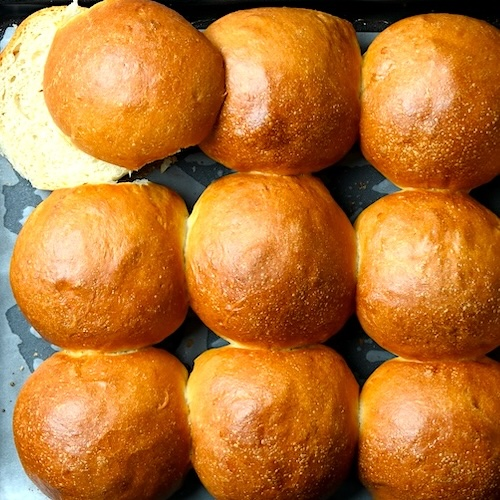
The Ultimate Pillowy Soft Rolls
Ingredients
Equipment
Method
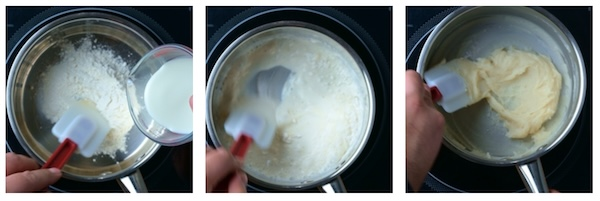
- In a small saucepan over a medium heat, whisk together the flour and milk. Stir constantly to prevent scorching. The roux will begin to thicken as it passes 50°C (122℉); continue cooking until it reaches exactly 65°C (149℉). At this point, the starches have pre-gelatinised, ensuring a moist, long-lasting crumb.

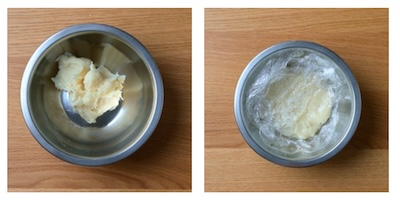
- Decant the Tangzhong into a small bowl and surface wrap with cling film. Allow it to cool to room temperature before use.

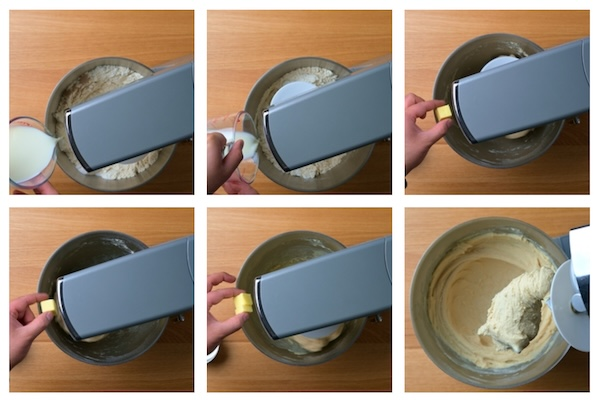
- To a stand mixer bowl fitted with a dough hook, add the flour, salt, yeast, and the cooled Tangzhong. Begin mixing on a low speed to combine the base ingredients.

- Stir the honey into the warm milk until fully dissolved. Slowly trickle the milk mixture into the flour as the mixer runs. Once a shaggy dough begins to form, slowly "feed" in the butter, piece by piece. Continue on medium speed for approximately 4 minutes until the butter is fully incorporated into the dough.

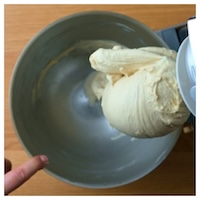
- Increase the speed to high and knead for roughly 5 minutes. The dough is ready when it is smooth, elastic, and pulls away cleanly from the sides of the bowl.

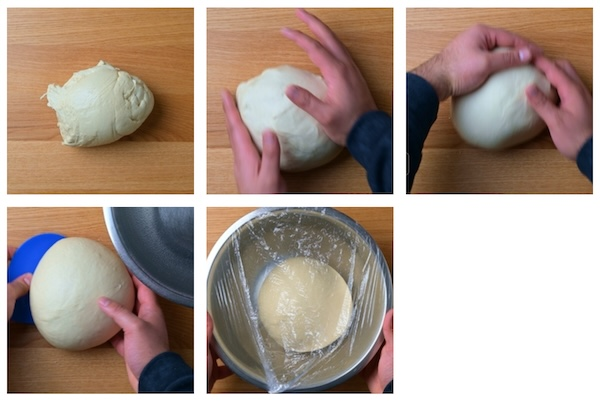
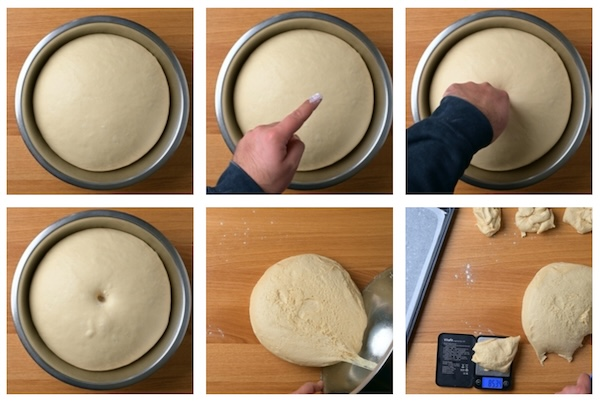
- Turn the dough out onto a clean work surface and shape it into a tight, smooth ball. Place into a greased bowl, cover with a shower cap or cling film, and place in a prover set to 25°C for 75–90 minutes, or until doubled in size.

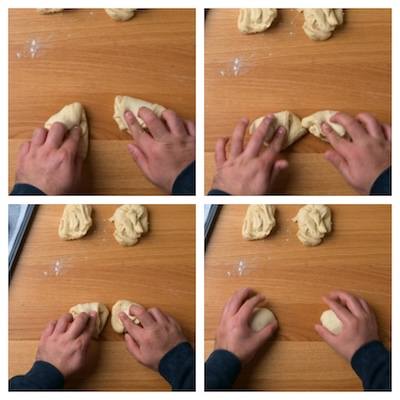
- Turn the dough out onto your work surface. Divide the dough into 85–90g portions, keeping the smooth side down and the "bottom" of the dough facing up.

- Gently fold the edges of each portion into the centre, then flip the dough over and roll it against the counter to create a tight, tensioned ball. Place the rolls onto a lined 15x10 inch baking tray.

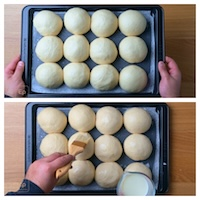
- Lightly spray the dough balls with baking spray and loosely cover with cling film. Return to the prover and leave uncovered with a bowl of hot water to maintain humidity for 45–60 minutes until doubled in size and pillowy.
- Preheat your oven to 180°C (356℉). Gently brush the rolls with a milk wash for a soft, golden finish. Bake for 20 minutes until the rolls sound hollow when tapped on the base and have reached a deep golden hue.

Notes
- The "Shred" Factor: To get those long, feathery strands of bread when you pull a roll apart, ensure you don't skip the "high speed" knead. This develops the strong gluten network necessary for the Tangzhong to hold onto that extra moisture.
- Honey vs. Sugar: Honey is a humectant, meaning it actively attracts and holds onto moisture better than granulated sugar. This, combined with the Tangzhong, is the "secret" to why these rolls don't turn into croutons by day two.
- Scaling for Consistency: For a professional look, always use a digital scale to measure your 85–90g portions. This ensures every roll finishes proofing and baking at the exact same time, preventing some from being overbaked while others are doughy.
- Creating Humidity: If you don't have a prover, the "bowl of hot water" trick is essential. It creates a moist environment that prevents a skin from forming on the dough during the second proof. A dry skin will restrict the "oven spring" and cause the rolls to crack.
- The Milk Wash Finish: Unlike an egg wash, which gives a shiny, dark, and slightly "hard" crust, a milk wash provides a matte, soft, and delicate golden finish—perfect for a "pillowy" dinner roll.
- Sticky Dough Handle: Because this is a high-hydration dough (thanks to the milk and Tangzhong), it may feel slightly tacky. Avoid the temptation to add extra flour, as this will make the rolls dense. Instead, use a very light touch or a tiny bit of oil on your hands when shaping.