
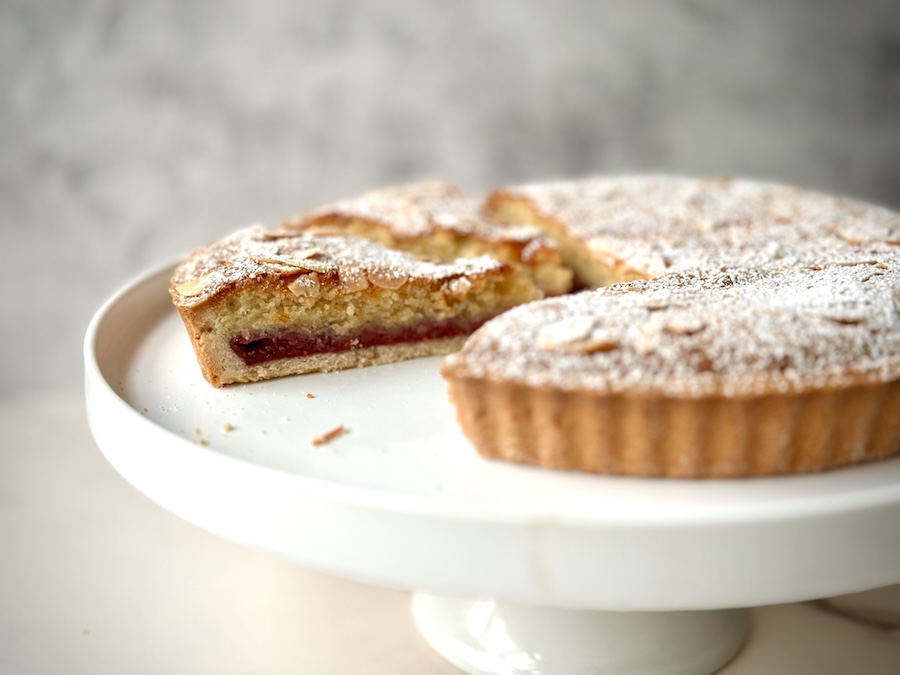
Rediscover a British classic through this refined study in texture and balance. This tart features a delicate, crisp Pâte Sucrée base, layered with a sharp, vibrant raspberry pépin that cuts through the richness of the filling. The heart of the bake is a velvety, toasted almond frangipane—carefully aerated to achieve a light, moist crumb that melts on the palette. Finished with a scattering of flaked almonds for a sophisticated crunch, this Bakewell is the definitive marriage of buttery pastry and aromatic almond, engineered for the perfect tea-time slice.
Ingredients
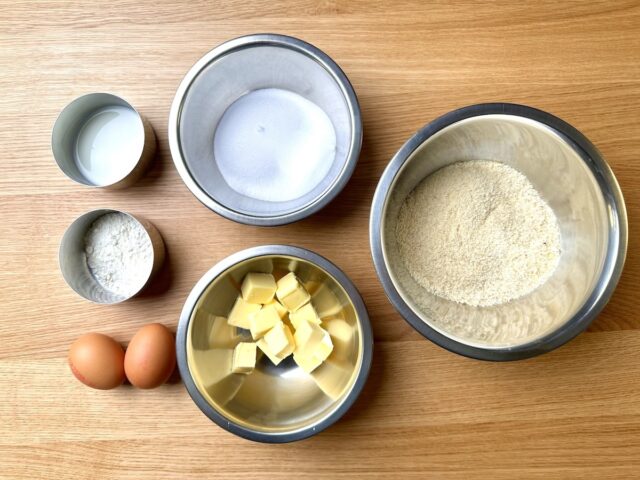
The Raspberry Pépin
A refined take on traditional jam, the pépin (French for “pip”) focuses on a vibrant, fruit-forward profile with a sophisticated set.
-
Frozen Raspberries – Selected for their consistent acidity and moisture content; frozen berries break down evenly to create a deep, concentrated fruit base.
-
Caster Sugar – Acts as the primary sweetener and preservative, working in tandem with the fruit’s natural acids to develop a clear, jewel-like translucency.
-
Pectin – A natural setting agent that ensures the pépin achieves a clean, “fluid-gel” consistency. This prevents the jam from boiling over in the oven or soaking into the pastry base.
The Pâte Sucrée (Sweet Paste)
This is a rich, crisp, and sturdy shortcrust designed to provide a “snap” that contrasts with the soft filling.
-
Bread Flour (12-13% Protein) – A technical choice; the higher protein content provides the structural strength needed for a thin, professional tart shell that won’t crumble prematurely when sliced.
-
Almond Flour – Adds a delicate nuttiness to the crust and interferes with gluten development, ensuring the pastry remains crisp rather than tough.
-
Icing Sugar – The fine particles melt into the butter faster than caster sugar, resulting in a tighter, more uniform “sandy” texture (sablage).
-
Unsalted Butter – Provides the essential fat for a short, flaky texture and carries the rich, dairy notes of the pastry.
-
Salt – A critical flavour enhancer that balances the sugar and sharpens the aromatic notes of the almond.
-
Whole Egg – Acts as the primary binder, providing moisture and protein to help the dough coalesce into a workable, elastic paste.
The Almond Frangipane
The heart of the Bakewell—a moist, aerated almond sponge engineered for a velvety mouthfeel.
-
Unsalted Butter – Creamed with sugar to trap air, providing the initial lift and a rich, buttery foundation.
-
Caster Sugar – Its crystalline structure assists in the aeration process during creaming, leading to a lighter crumb.
-
Whole Egg – Provides structure and emulsification, ensuring the fat and sugar stay suspended for a uniform rise.
-
Almond Flour – The star ingredient, providing the signature aroma, moisture, and a soft, grain-free texture.
-
Plain Flour (9-11% Protein) – A lower-protein flour is used here to provide just enough stability to the sponge without making it heavy or bread-like.
-
Whole Milk – Loosens the batter’s consistency, ensuring it spreads easily over the jam while adding a final touch of moisture to the finished bake.
All The Equipment You Need
Storing The Bakewell Tart
Short-Term: Room Temperature
Shelf Life: 2 to 3 days.
Method: Once the tart has completely cooled, store it in an airtight container or under a cake dome in a cool, dry place. Keeping it at room temperature is the best way to preserve the “snap” of the pastry and the soft, velvety texture of the frangipane.
Note: Avoid humid environments, as the sugar in the pastry and the moisture in the jam can cause the base to lose its crispness prematurely.
Mid-Term: Refrigeration
Shelf Life: 5 to 7 days.
Method: Wrap the tart tightly in cling film or place it in an airtight container.
Serving Tip: Refrigeration will cause the butter in the Pâte Sucrée to firm up and the frangipane to become denser. For the best experience, allow the tart to come back to room temperature for at least 30–60 minutes before serving. This restores the aromatic almond notes and the intended mouthfeel. If the pastry has softened, you can re-crisp it in a 150°C oven for 5–8 minutes.
Long-Term: Freezing
Shelf Life: Up to 3 months.
Method: The Bakewell Tart freezes exceptionally well due to the high fat content in the almond flour and butter. Ensure the tart is thoroughly chilled in the fridge first to stabilise the structure.
Protection: Wrap the entire tart (or individual slices) in a double layer of cling film, followed by a layer of heavy-duty aluminium foil to protect against freezer burn and odours.
Thawing: Thaw overnight in the refrigerator. Do not defrost at room temperature, as the condensation can cause the raspberry pépin to “weep” and make the pastry base soggy. Once thawed, a quick 10-minute refresh in a 150°C oven will revive the pastry’s crisp texture and the frangipane’s crumb.
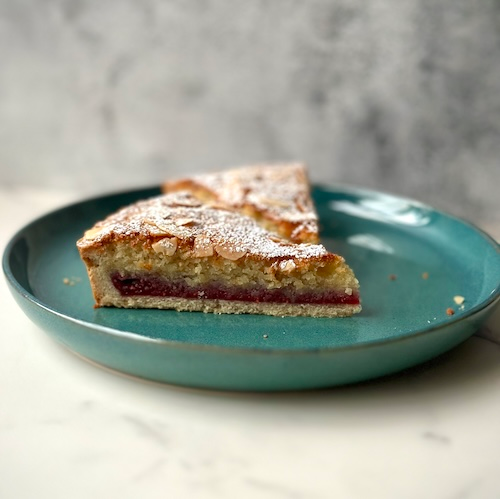
The Perfect Raspberry Bakewell Tart
Ingredients
Equipment
Method
- Into a mixing bowl add sugar and pectin and give it a whisk to distribute the pectin through the sugar, set the bowl a side.

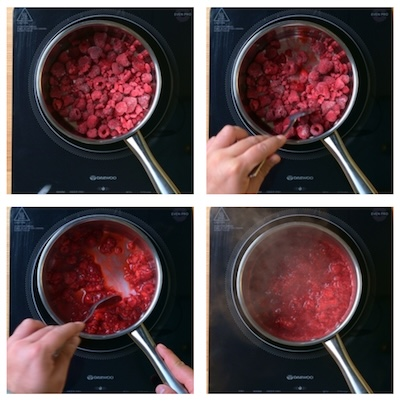
- On a low-medium heat add frozen raspberries into a pan and cook until all the juice have released, raspberries have broken down and juice come to a gentle simmer.

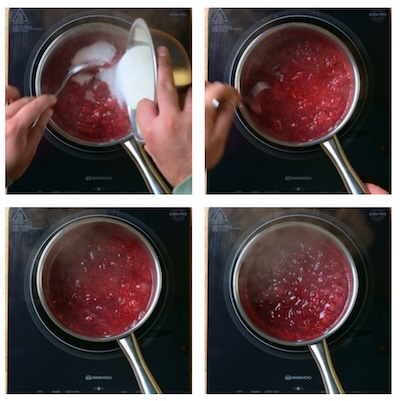
- Once the raspberries have come to a simmer add in the sugar-pectin mixture, stirring the puree simultaneously until the sugar has completely dissolved in. As the mixture comes to a boil continue to cook for 2 minutes, stirring occasionally to avoid any burning.

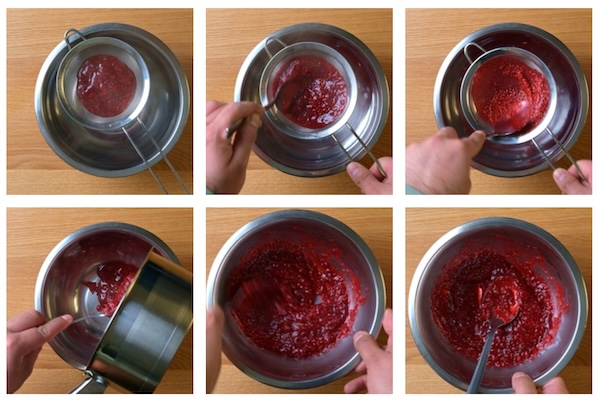
- Pass half the jam through a fine mesh sieve to remove the seeds and reintroduce it to the other half, mix together and place into a container. Surface wrap with cling film and leave it to set in the fridge for 2 hours.

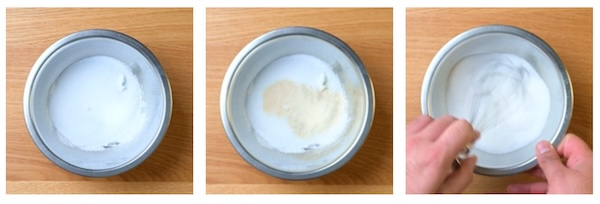
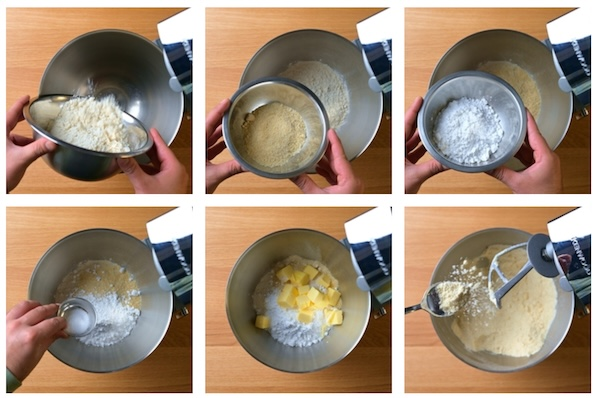
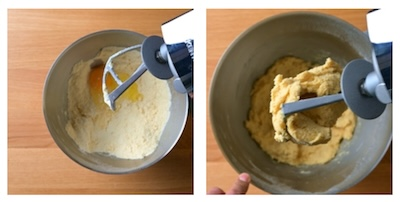
- Into a stand mixer fitted with a paddle attachment beat together, flour, almond flour, sugar, butter and salt on a medium speed until it forms a fine crumb (approx 5 minutes).

- Next add in the egg to the fine crumb and mix on a low speed just until a dough forms.

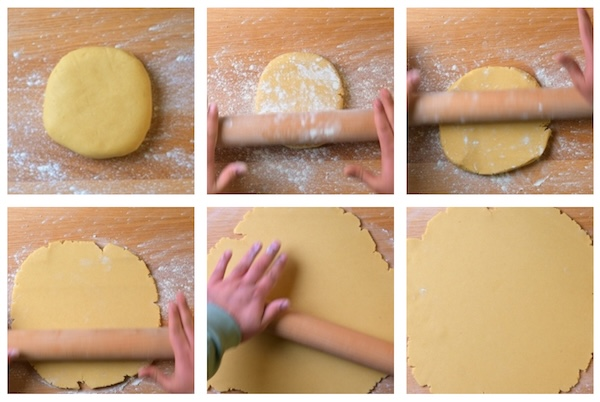
- Give the dough a gentle knead on the work surface, shape and flatten into a round disc approx 1 inch thick and wrap in cling film. Place into the fridge to set firm for a minimum of 1 hour.


- Lightly grease the tart tin with butter or cooking spray. Dust with flour, shaking off any excess to ensure an even coating.
- Place you chilled dough onto a lightly floured work surface. Using a rolling pin roll the dough moving in a north to south direction giving the dough a slight turn every few strokes to keep it as round as possible.Roll the dough to a thickness of 4mm.
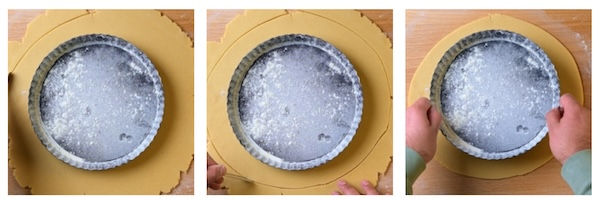
- Place the floured tin onto the centre of the dough and trim the dough 1½ inch wider than the tin. This should leave you with a rough dough about 30cm (12inch) in diameter

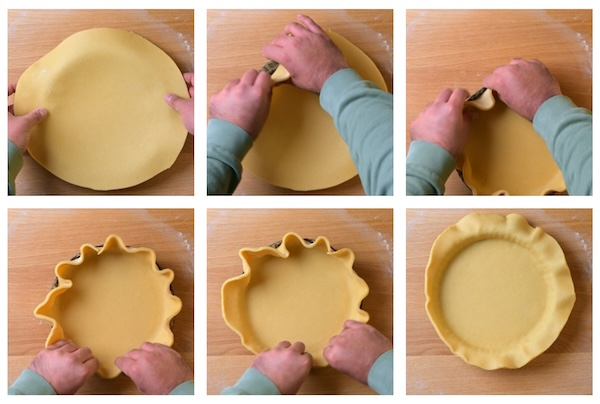
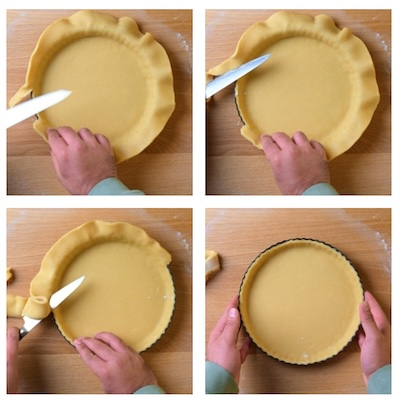
- Drape the dough over the prepared tin. To avoid tension, lift the pastry towards you with one hand while easing it into the corners of the tin with the other. Once the base is perfectly lined, meticulously press the dough into the fluted sides. Taking the time to seat the dough into every groove ensures a high-definition finish once baked.

- Trim off any overhanging dough with a sharp knife, using the edge of the tin as a guide to ensure a perfectly level finish.Set this tin in the fridge for the dough to cool and set.

- Pre-heat the oven to 160℃ (320℉)
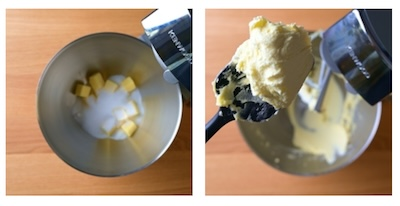
- Cream together butter and sugar until light, pale and fluffy. This should take about 5-7 minutes, make sure to scrape the bowl down every couple of minutes.

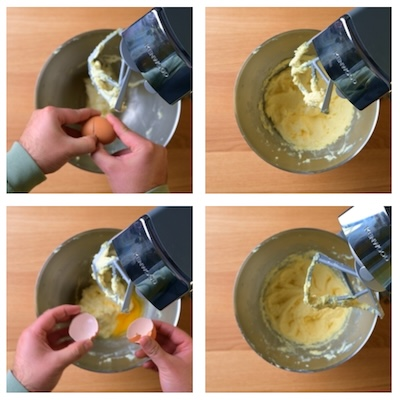
- Adding one egg at a time until completely incorporated before adding the next.

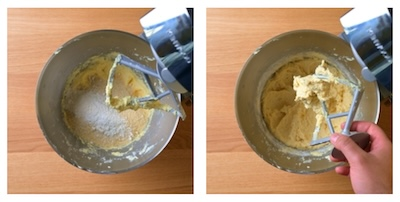
- Add in the dry ingredients and mix on a low speed just until the batter comes together. Take the bowl of the mixer and finish mixing by hand, scraping the bottom to make sure there aren't pockets of butter left. Add in the milk and fold into the batter.
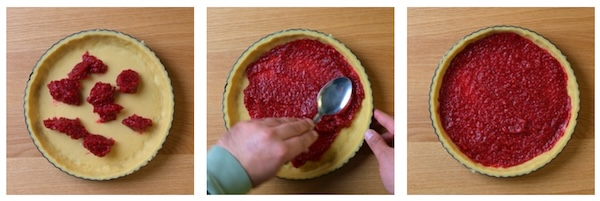
- Remove the chilled tart case and the raspberry pépin from the fridge. Distribute the jam evenly across the base of the pastry, using the back of a spoon or an offset spatula to spread it into a uniform layer.

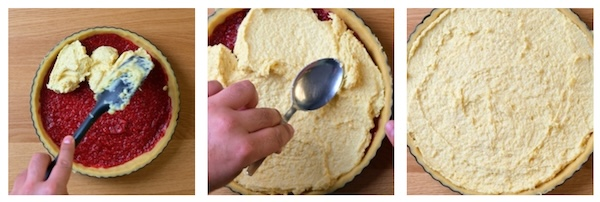
- Repeat the process with the frangipane, placing it over the jam and spreading it into a smooth, even layer. Ensure the filling reaches the edges of the tart case and is level before baking.

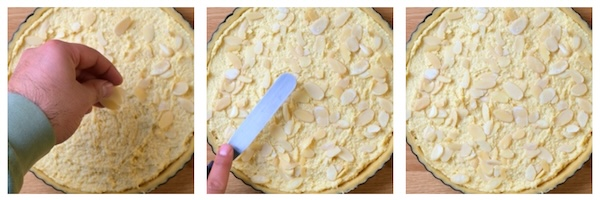
- Sprinkle almond flakes over the top of the frangipane, use a clean palette knife or spoon to gently tap the almond flakes down so they stick to the batter.

- Bake in the centre of the oven for 40–45 minutes, or until the crust is deep golden brown and the frangipane centre is resilient and fully set to the touch. Once removed from the oven, allow the tart to cool completely in the tin to ensure the delicate almond structure and raspberry layer have stabilised. Only once cooled, finish with a light, uniform dusting of icing sugar and slice with a sharp knife.
Notes
- Passing half of your raspberry pépin mixture through a fine-mesh sieve removes a portion of the seeds to create a smoother, more elegant mouthfeel, while the remaining half retains enough texture to highlight the fruit’s natural authenticity.
- Avoid overworking the dough once the flour is incorporated. Excessive handling develops the gluten strands too much, which leads to a tough, bready texture rather than the delicate, "short," and melt-in-the-mouth crumble expected of a high-quality Pâte Sucrée.
- If your dough feels slightly tacky, give it a very brief knead for no more than 20–30 seconds. This is just enough time to homogenise the fats and flour into a smooth, workable mass without warming the butter or over-developing the gluten.
- When levelling your pastry, use a sharp blade to trim at a slight outward angle; this technically accounts for any microscopic shrinkage during the bake. However, if the chilling and resting stages of this recipe have been followed precisely to relax the gluten, you should experience zero shrinkage, resulting in a perfectly flush, professional edge.
- It is critical that all frangipane ingredients, specifically the butter and eggs are at room temperature. This ensures a stable emulsion when creaming, preventing the mixture from "splitting" or curdling, which is essential for achieving a light, aerated almond sponge.
- A small addition of milk serves a dual purpose: it loosens the consistency of the frangipane, allowing it to be spread effortlessly over the jam without disturbing the layer beneath, while also introducing extra moisture for a softer, more tender crumb.