
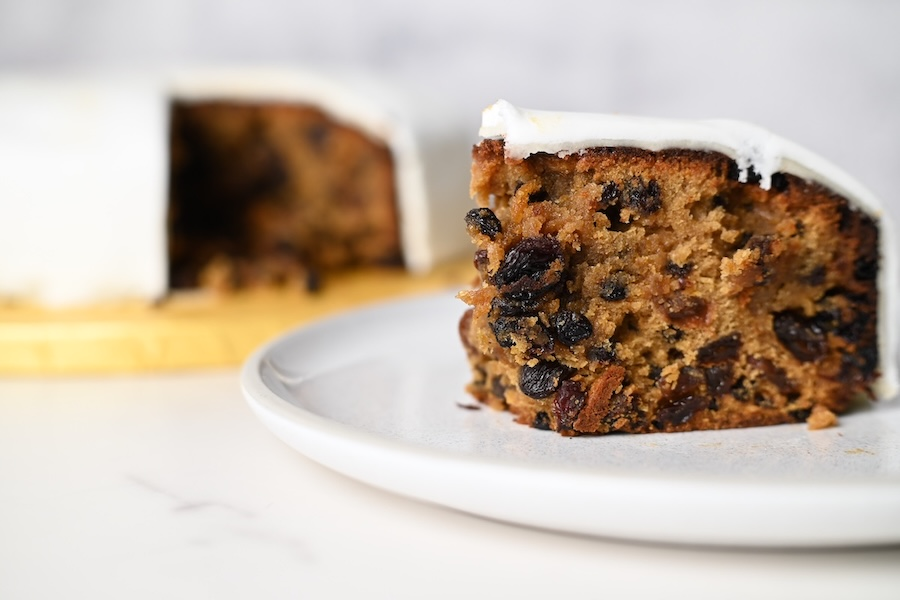
Forget every dry, uninspired fruit cake you’ve ever tasted; this Triple-Spirit Jewelled Fruit Cake is a sophisticated reimagining of a festive classic. By moving away from tradition and embracing a potent, aromatic soak of Dark Rum, Brandy, and Cointreau, we’ve created a bake that is as deep and complex in flavour as it is moist in texture.
Every slice is a celebration of balance, where the warmth of the spirits meets the bright, zesty lift of fresh citrus and the floral sweetness of vanilla bean syrup. Whether you are a seasoned baker looking for a new holiday centrepiece or someone who wants to finally fall in love with fruit cake, this recipe is your definitive masterclass. It’s time to elevate your seasonal baking with a cake that is truly indulgent, beautifully spiced, and undeniably ‘next level’.
Ingredients
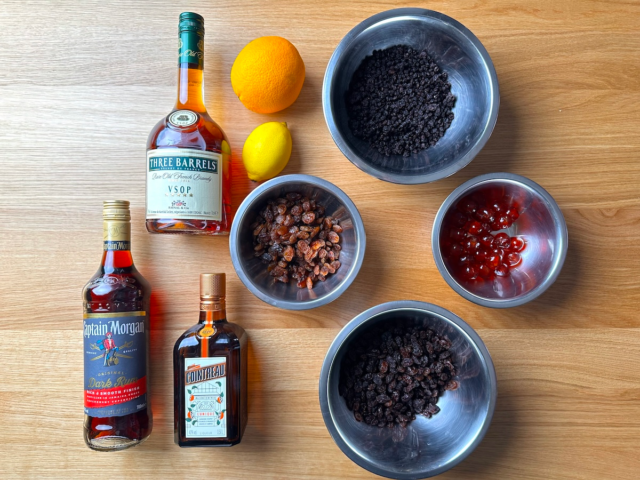
For Infusing the Fruits
-
Raisins, Sultanas & Currants: A trio of vine fruits that provide different layers of sweetness and texture; the larger raisins offer a jammy bite, while the currants add a concentrated, tart intensity.
-
Glacé Cherries: These “jewels” of the cake provide pops of bright colour and a syrupy sweetness that balances the deeper dried fruits.
-
Orange & Lemon Zest: Freshly grated citrus oils provide an essential high-note of acidity, cutting through the richness of the spirits and sugar.
-
Dark Rum, Cointreau & Brandy: The “Triple-Spirit” core of the recipe; the Rum adds molasses depth, the Brandy provides a classic warmth, and the Cointreau introduces a sophisticated orange-botanical lift.
-
Orange Juice: Used to help rehydrate the fruits, adding a natural sweetness and softening the punch of the high-proof alcohols.
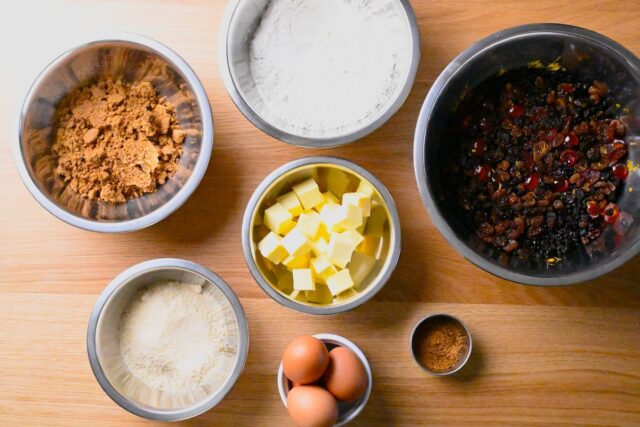
For the Cake Batter
-
Soaked Fruits: The stars of the show, fully plumped and bursting with the aromatic spirits from their overnight maceration.
-
Unsalted Butter: Providing a rich, creamy foundation; using unsalted allows you to control the exact flavour profile of the bake.
-
Dark Brown Sugar: Chosen for its high molasses content, which gives the cake its characteristic deep colour and a subtle toffee-like flavour.
-
Whole Eggs: These act as the primary binder and leavening agent, creating the structure needed to hold the heavy fruit in place.
-
All-Purpose Flour: The structural framework of the cake, used both in the batter and to coat the fruit to prevent sinking.
-
Ground Almonds: An essential addition for a moist crumb; they provide a nutty richness and help the cake retain its moisture over time.
-
Mixed Spice: A fragrant blend of cinnamon, nutmeg, and cloves that provides the quintessential “warmth” associated with festive bakes.
-
Vanilla Paste: A high-quality infusion that adds a floral, rounded sweetness and beautiful dark flecks to the batter.
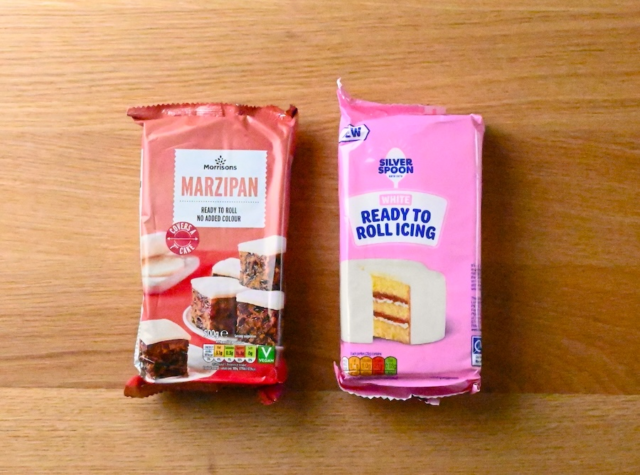
For the Soaking Syrup & Decoration
-
Caster Sugar & Water: These combine to create a light “stock syrup” that serves as the delivery vehicle for extra moisture and gloss.
-
Vanilla Paste (for Syrup): Adds a final layer of aromatic elegance that perfumes the exterior of the cake as it cools.
-
Marzipan: A sweet, almond-based layer that provides a smooth surface for the fondant while adding a distinct, nutty flavour profile.
-
White Fondant Icing: The final decorative layer, providing a clean, matte, and professional aesthetic for your centrepiece.
-
Apricot Jam: Warmed and strained to create a “fruit glue” that ensures your marzipan adheres perfectly to the cake surface.
All The Equipment You Need
Storing The Fruit Cake
Due to the high alcohol content and the protective sugar syrup glaze, this cake boasts excellent keeping qualities. For optimum freshness, store it in an airtight container in a cool, dry place, where it will remain perfectly moist and flavourful for up to two weeks.
Making Fruit Cake Alcohol Free
It is entirely possible to make this recipe alcohol-free; simply replace the spirits with an equal volume of your chosen liquid, though I highly recommend using fresh orange juice. Follow the same heating and soaking process as described in the original method.
While the spirits provide complex flavour notes and act as a natural preservative, orange juice will hydrate the fruits just as effectively while offering a bright, citrus-forward profile. However, please keep in mind that without the alcohol, the storage time will reduce dramatically—the cake should be enjoyed within a few days, or a week at the absolute maximum.
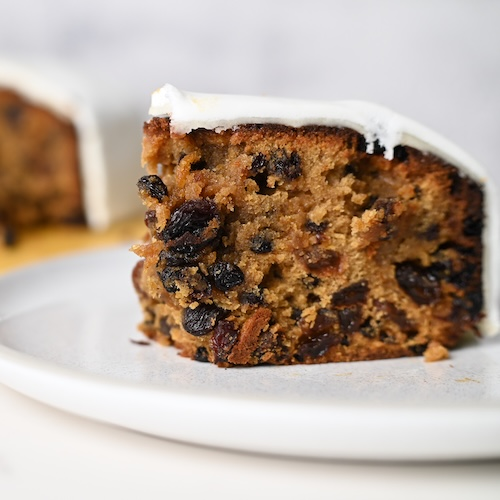
The Triple-Spirit Jewelled Fruit Cake: A Zesty, Boozy Masterclass
Ingredients
Equipment
Method
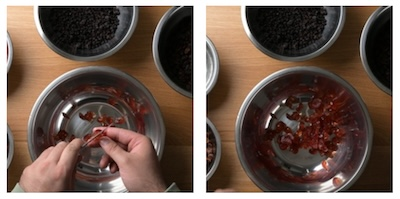
- Begin by quartering the glacé cherries; while I prefer this size for a classic look, you can chop them as large or small as you like. Keep in mind that finely dicing the cherries will allow for a more even distribution throughout the cake batter, ensuring a bit of 'jewelled' sweetness in every slice.

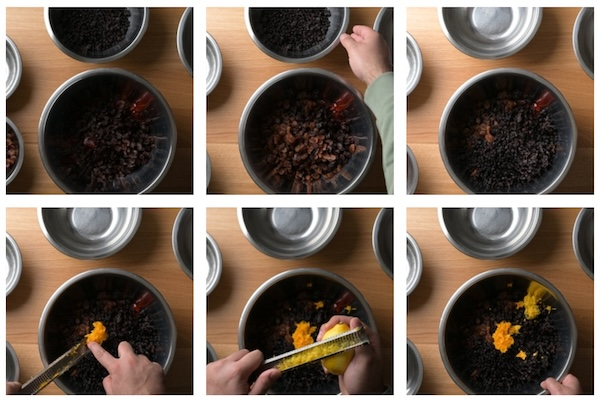
- Into a mixing bowl add in the cherries, raisins, sultanas and currants, followed by the zest of orange and lemon.

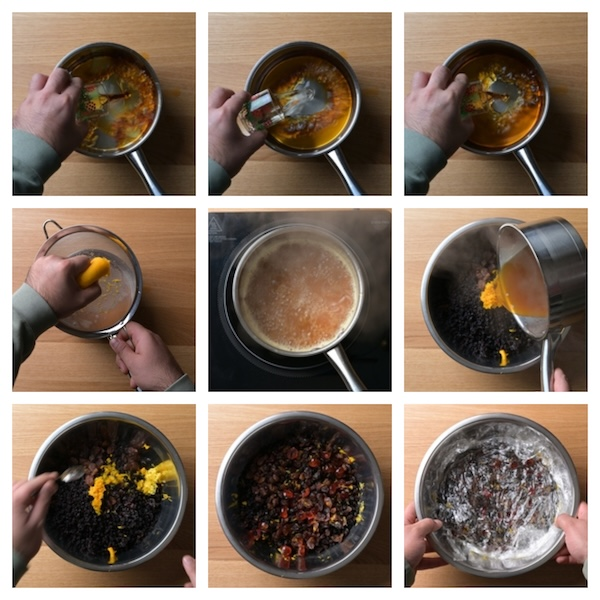
- In a small saucepan, combine the dark rum, Cointreau, brandy, and the freshly squeezed orange juice. Bring the mixture to a gentle simmer over a low heat, then pour the hot liquid over your prepared fruits. To ensure the moisture is fully absorbed, surface-wrap the bowl with cling film (plastic wrap), give the fruits a quick stir after 30 minutes, and then leave them to soak overnight for maximum flavour development.

- Preheat the oven to 170℃ (338℉). Prepare the cake tin by lining the base of the tin with greaseproof paper (parchment) and lightly greasing the sides with cooking spray or butter.
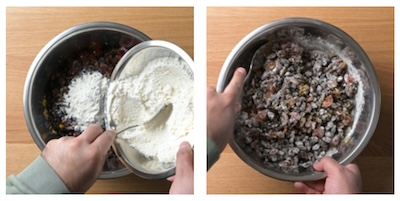
- Next, take approximately half of the measured flour and toss it through the soaked fruits until they are thoroughly coated. This essential step ensures the fruit remains suspended throughout the batter during baking, preventing it from sinking to the bottom of the tin.

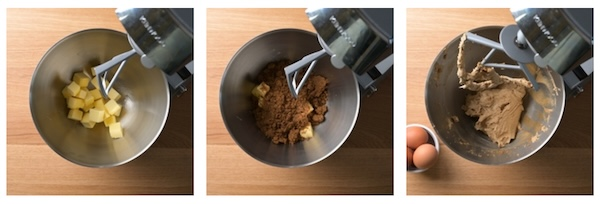
- Place your softened butter and dark brown sugar into the bowl of a stand mixer fitted with the paddle attachment. Begin mixing on a low setting to combine, then steadily increase the speed to high, beating the mixture until it is noticeably pale and aerated. It is vital to pause and scrape down the sides of the bowl several times during this process to ensure every bit of sugar is fully incorporated for a smooth, uniform base.

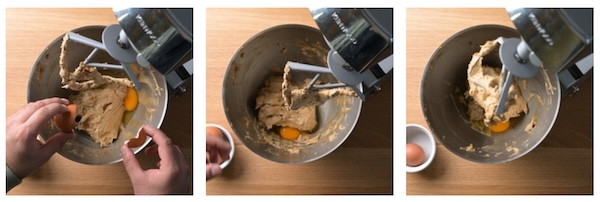
- With the mixer running on a medium speed, begin adding your eggs one at a time, ensuring each is fully emulsified before introducing the next. If the mixture appears to curdle, simply add a tablespoon of your measured flour to help stabilise the fats. This slow incorporation is key to maintaining the air you’ve built during the creaming stage, resulting in a lighter, more delicate crumb.

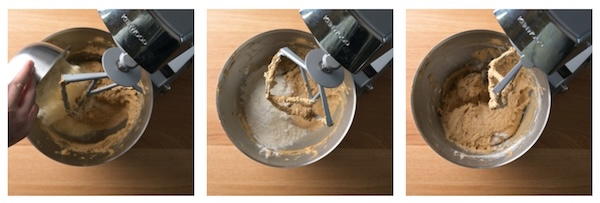
- Switch your mixer to its lowest setting and gently fold in the remaining flour, mixed spice and the ground almonds. The almonds are essential here, providing a moist richness and a subtle structural integrity that complements the density of the fruit. Mix only until the streaks of flour have just disappeared; overworking the batter at this stage can lead to a tough, heavy cake.

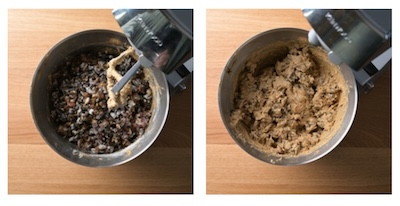
- Finally, remove the bowl from the mixer and add your flour-coated soaked fruits. Using a large spatula or metal spoon, fold the fruit into the batter by hand with a gentle 'over-and-under' motion. This ensures the fruits remain evenly distributed without knocking out the air, guaranteeing that every slice is perfectly balanced with boozy, jewelled sweetness

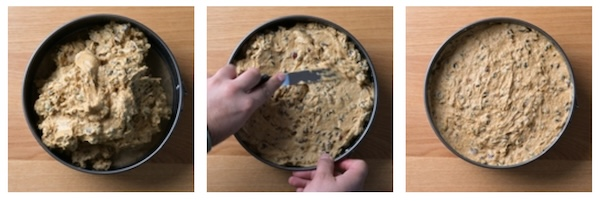
- Transfer your batter into the prepared cake tin, using a palette knife or the back of a spoon to spread it into an even layer. Ensure the surface is smooth and level, as this helps the cake rise uniformly without cracking.Place the tin in the centre of the oven and bake at 170°C (338°F) for 50–60 minutes. You are looking for a deep golden-brown colour and a firm, springy touch. To ensure it is perfectly baked through, insert a skewer into the centre; it should come out clean or with just a few moist crumbs attached. If the top begins to brown too quickly before the hour is up, simply tent a piece of foil loosely over the tin to protect the delicate fruits from scorching.

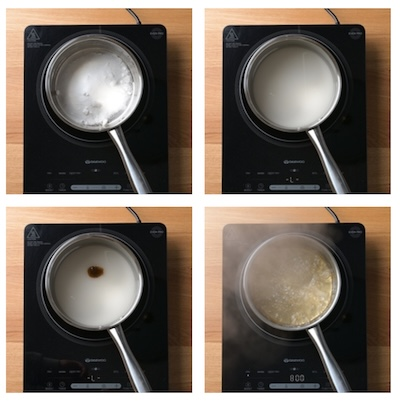
- While your cake is in the oven, prepare the vanilla stock syrup so it has ample time to cool. In a small saucepan, combine sugar and water with vanilla bean paste. Heat gently until the sugar dissolves, then bring to a brief boil for one minute.Set the syrup aside to cool completely, as applying a cool syrup to a warm cake is the secret to deep, even absorption.

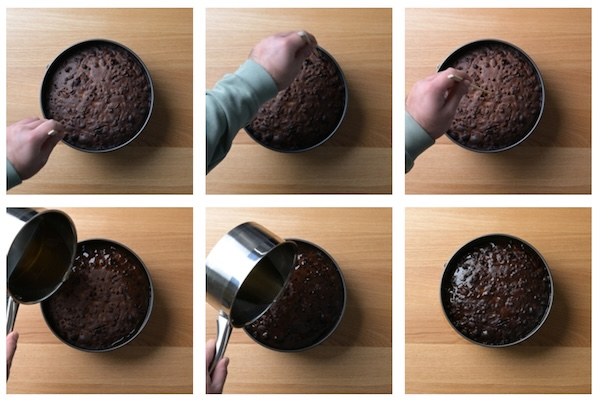
- Once the cake is baked, remove it from the oven and allow it to rest in the tin for 10 minutes to let the structure settle. While the cake is still warm, poe holes across the surface of the cake with a skewer and pour your cooled vanilla syrup over the surface, allowing it to seep into the sponge and lock in the boozy aromatics of the spirits. Leave the cake to sit undisturbed in its tin for one hour to fully absorb the syrup. Finally, carefully remove it from the tin and transfer it to a wire rack to cool completely, ensuring the 'jewelled' interior is perfectly set.

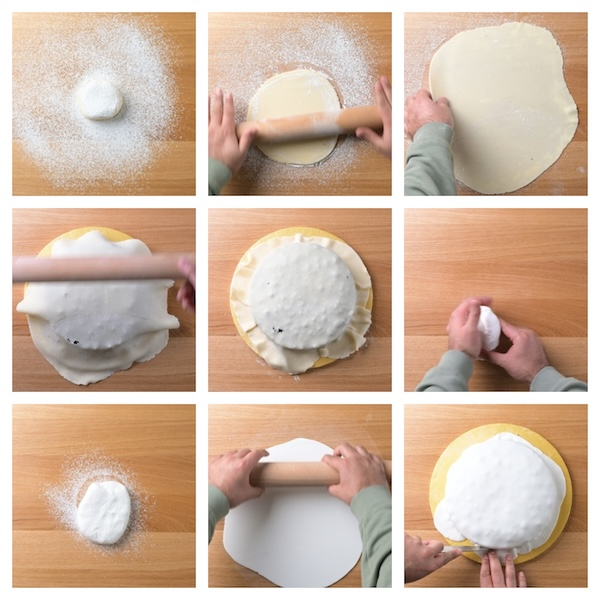
- To achieve a flawless, professional finish, start by warming a few tablespoons of apricot jam in the microwave until fluid, then strain it to remove any fruit pieces. Brush this warm glaze over the entire surface of the cake; this acts as a vital 'culinary glue' to secure your decorations.Lightly dust your work surface with icing sugar and roll out your marzipan to a uniform 5mm thickness. Carefully drape it over the cake, smoothing the sides to eliminate air bubbles before trimming away the excess at the base. Finally, knead your fondant by hand until it is supple and warm, then roll it out to a matching 5mm thickness. Layer the fondant directly over the marzipan, gently smoothing it into place for a sharp, clean finish, and trim the edges for a perfectly polished centrepiece.
Notes
- The Power of the Overnight Soak: Do not rush the fruit preparation. Allowing your raisins, sultanas, and cherries to macerate in the Rum, Brandy, and Cointreau for at least 24 hours is vital. This time allows the dried fruit to fully rehydrate and swell with the spirits, ensuring that once baked, the fruit is plump and juicy rather than chewy. This process also prevents the fruit from drawing moisture away from the cake batter, resulting in a significantly moister crumb.
- The Importance of Room Temperature Ingredients: For a successful emulsion, ensure your butter and eggs are at room temperature before you begin. Softened butter creams more effectively with the dark brown sugar, creating the necessary air pockets for a light cake. Similarly, adding room-temperature eggs prevents the batter from "splitting" or curdling, which can happen if cold eggs hit the aerated fat. A stable, smooth batter is the foundation of a professional-grade fruit cake.