
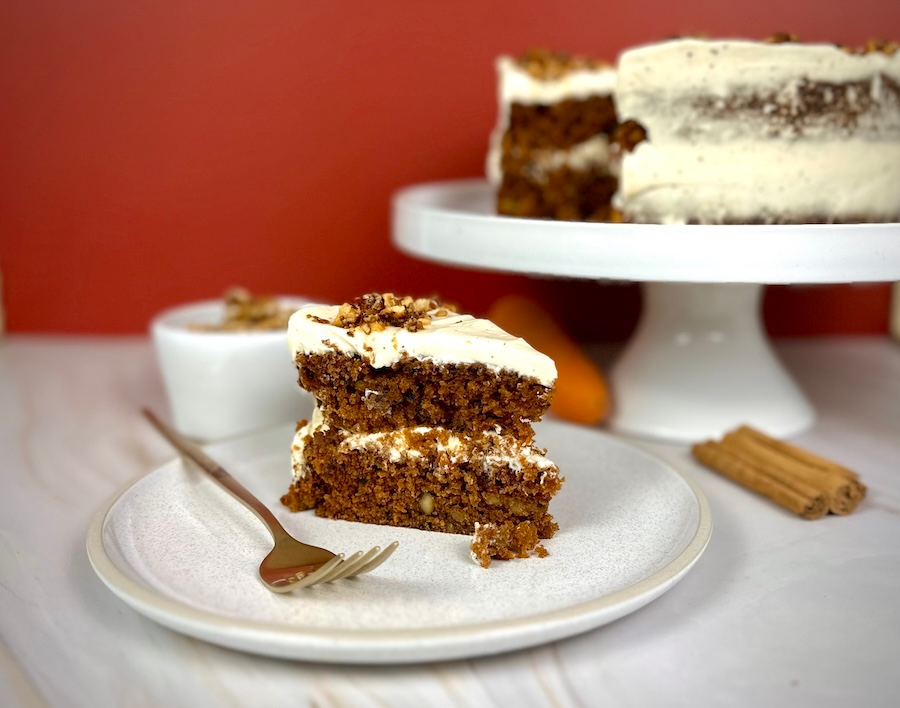
Forget everything you think you know about dry, overly sweet carrot cake! This recipe is the culmination of perfected technique, guaranteeing an extra moist and tender sponge that elevates this classic to its very best form. The secret lies in a careful balance: the cake is rich with oil and fine grated carrots for incredible moisture, yet beautifully lifted by a blend of warming cinnamon and bright, fresh orange zest. Studded with crunchy walnuts and crowned with a luscious, tangy, and light cream cheese vanilla frosting, this cake hits every note—spice, nuttiness, sweetness, and refreshing citrus—making it truly the perfect cake for any occasion.
Ingredients
-
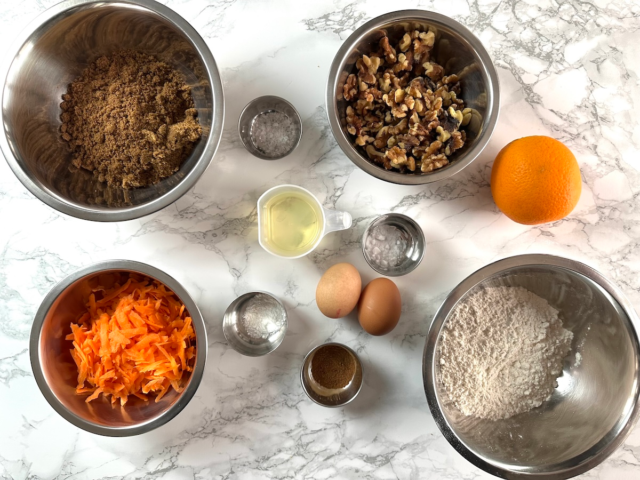
The Key Ingredients for The Perfect Carrot Cake
These ingredients are balanced to achieve the cake’s signature moisture, texture, and complex spice profile:
- Plain Flour: The main structural base of the cake. It provides the necessary gluten network to hold the cake together, ensuring a tender, yet stable, final crumb.
- Light Brown Sugar: Essential for creating a moist sponge. The molasses content adds a subtle toffee flavour, while its hygroscopic (water-retaining) nature locks in moisture, resulting in a softer, chewier texture.
- Dark Brown Sugar: Used in combination with light brown sugar to deepen the flavour. It contains more molasses, contributing a richer caramel depth and enhancing the fudgy texture characteristic of a high-quality carrot cake.
- Neutral Oil: The source of the cake’s extra moistness. Unlike butter, oil remains liquid at room temperature, which guarantees a tender, soft sponge that stays fresh for days. Use a flavourless oil like vegetable, canola, or sunflower oil.
- Whole Eggs: The primary binding and emulsifying agent. Eggs provide structure, richness, and help blend the oil and the rest of the wet ingredients into a smooth batter.
- Baking Powder: A chemical leavening agent that is double-acting. It provides the initial lift when mixed and a second lift when heated, ensuring the dense batter rises properly.
- Bicarbonate of Soda: The secondary leavening agent. It reacts with the acidity of the brown sugars and the orange zest to promote spread and aid in achieving a beautifully golden-brown exterior and a tender crumb.
- Ground Cinnamon: The essential spice for a classic carrot cake. It provides a foundational, warming, and slightly woody aroma that complements the sweetness of the carrots and brown sugar.
- Orange Zest: The crucial flavour lift. It contains volatile oils that infuse the cake with a bright, fresh citrus aroma and flavour, perfectly balancing the richness of the oil and the warmth of the spices.
- Chopped Walnuts: Provides essential textural contrast. The crunchy, earthy walnuts are studded throughout the cake, adding a satisfying bite and a complementary nutty flavour profile.
- Vanilla: Used here for an aromatic base note. It enhances the perception of sweetness and depth, ensuring the cake’s overall flavour profile is well-rounded.
- Sea Salt: A vital flavour enhancer. A small amount of salt balances the sweetness of the sugars and helps to sharpen and amplify the complex notes of the spices and orange zest.
Cream cheese frosting:
- Cream Cheese: The essential base that provides the signature tangy flavour that cuts through the sweetness of the cake. It must be at room temperature to ensure a perfectly smooth, lump-free final texture.
- Icing Sugar (Powdered Sugar): Used for sweetening and stabilization. The fine, powdery texture dissolves instantly and helps thicken the frosting without making it gritty, ensuring a luxurious, smooth mouthfeel.
- Whipping Cream (35-40% fat): The key ingredient for achieving a light, delicate texture. When whipped, this high-fat cream incorporates air and dramatically increases the frosting’s volume, resulting in an airy finish that contrasts beautifully with the moist cake.
- Vanilla Paste: Adds a rich, concentrated vanilla flavour. The visible vanilla bean specks add a touch of sophistication and enhance the warmth of the overall flavour profile.
All The Equipment You Need
- Stand Mixer or Electric Whisk
- Cake Turntable
- Cake Scrapper
- Microplane/Zester
- Cheese Grater
- Fine Mesh Sieve
Storage & Serving
Assembled Cake: The fully assembled carrot cake should be stored, covered, in the fridge for up to 3 days. For the best flavour and texture, always allow the cake to sit at room temperature for 30 minutes before slicing and serving.
Advance Prep (Freezing Sponges): Baked sponges can be wrapped tightly in cling film (plastic wrap) and stored in the freezer for up to 3 months. To use, allow the sponges to thaw slightly at room temperature for 30 minutes (this makes leveling the tops much easier). Assemble the cake with the frosting as directed, and then set the finished cake into the fridge to complete the thawing process before serving.
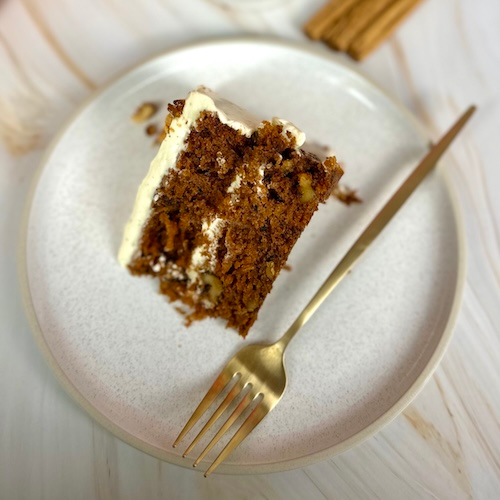
The Perfect Carrot Cake: Spiced, Moist, and Zested with Orange
Ingredients
Equipment
Method
- Preheat the oven to 160℃ (320℉). Line the base of, 2 x 8in cake tins with greaseproof paper (parchment).
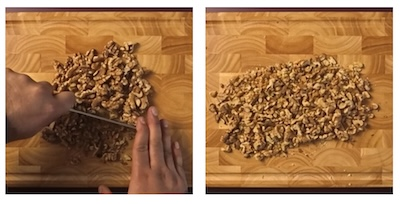
- Onto a baking tray evenly distribute walnuts and roast in the oven for 5-10 minutes, just until they start to colour. Leave to cool before roughly chopping.

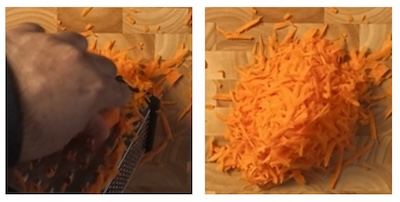
- Peel and grate carrots, place into a bowl and set aside for later.

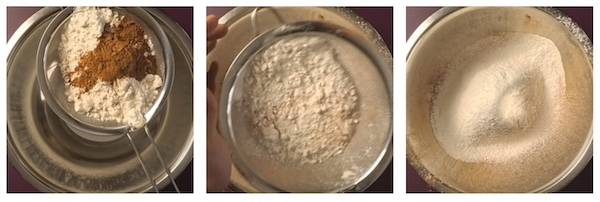
- Sift together flour, baking powder, bicarbonate of soda and ground cinnamon.

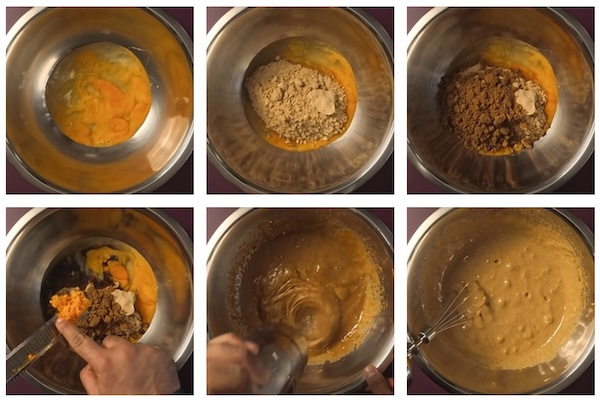
- Using a stand mixer fitted with the whisk attachment, or an electric hand whisk, whip the sugars, eggs, salt, vanilla paste and orange zest until the mixture is voluminous, light, pale, and thick enough to form a ribbon when the whisk is lifted.

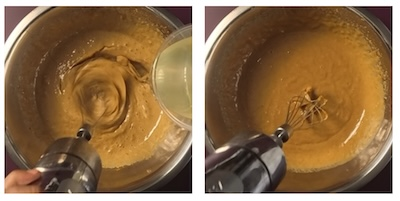
- With the mixer running on low speed, slowly drizzle the oil into the mixture until just combined. Increase the speed and whisk for a final 30 seconds; this brief, high-speed whisking helps emulsify the oil and air back into the mixture, retaining the volume.

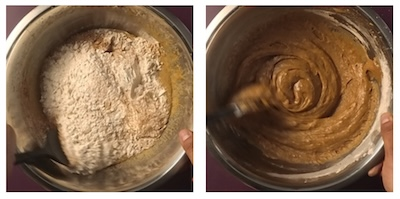
- With a spatula, in 2-3 parts gently fold in the dry ingredients.

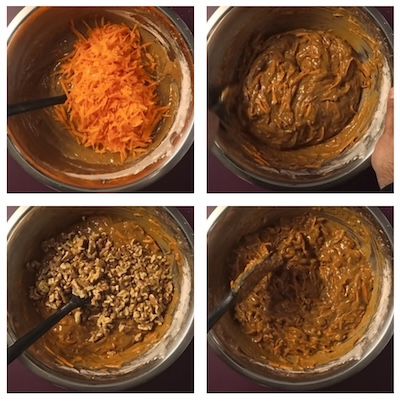
- Once the dry ingredients have been completely incorporated, gently fold in the grated carrots, followed by the chopped walnuts.

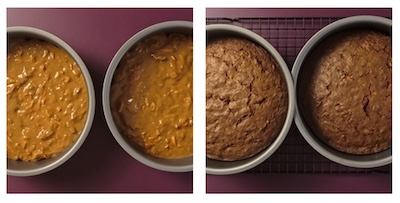
- Divide the cake batter between the cake tins (approx 600g each) and bake in the oven for 40-50 minutes, an inserted toothpick to the centre of the cake should come out clean. Leave to cool for 20-30 minutes before turning out on to a wire rack to cool completely.

- Fit your stand mixer with the paddle attachment (or use an electric hand whisk). Begin by creaming the cream cheese, icing sugar, and vanilla paste on low speed to avoid scattering the sugar. Slowly increase the speed, mixing until the frosting is completely lump-free and smooth, pausing frequently to scrape down the sides and bottom of the bowl.
- Switch the mixer to low speed and slowly drizzle in the cream until just blended. Increase the speed to medium-high and whip until the frosting is voluminous, light, and thickens to your desired consistency.
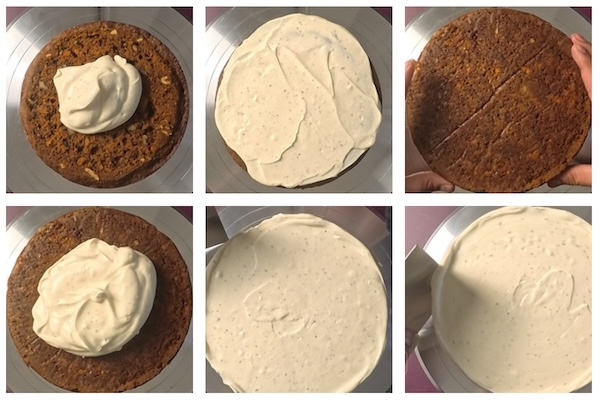
- First, level the cakes by carefully trimming any domed tops.
- Place the first layer in the centre of your turntable. Take approximately one-quarter of the frosting and spread it evenly across the top, stopping just before it spills over the edge.
- Sandwich with the second layer, flipped upside down so the flat bottom of the sponge faces up. Use half of the remaining frosting to spread evenly over this top layer.
- Finally, use a palette knife/cake scrapper to roughly apply the remaining frosting around the outer edge of the cake. Then, run the palette knife smoothly around the perimeter to clean, spread, and create a thin crumb coat.

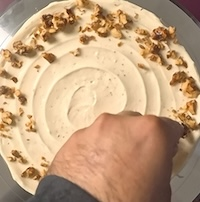
- Garnish with chopped walnuts.

Notes
-
For the best results, always grate the carrots yourself; pre-grated options are often dry and too thick. The thickness directly impacts the final cake:
- Coarse Grate: Carrots are more visible, distribution is irregular, but the sponge remains moist.
- Fine Grate (Recommended): The small size releases more water, guaranteeing an extra moist sponge and ensuring the carrots are evenly distributed throughout the batter."
- Our frosting is designed to be delicate and light, distinguishing it from traditional buttercream. If you prefer a denser, firmer frosting, substitute the whipping cream with a thicker cream, such as double cream (in the UK). Note: Creams with a fat content above 40% will whip very quickly, so be sure to monitor the consistency closely.
- The frosting can be prepared in advance while the cakes are baking or chilling. Store it covered in the fridge until ready to use. When retrieving the frosting, you may need to gently re-aerate it by giving it a few quick folds with a spatula to restore its volume and lightness.