
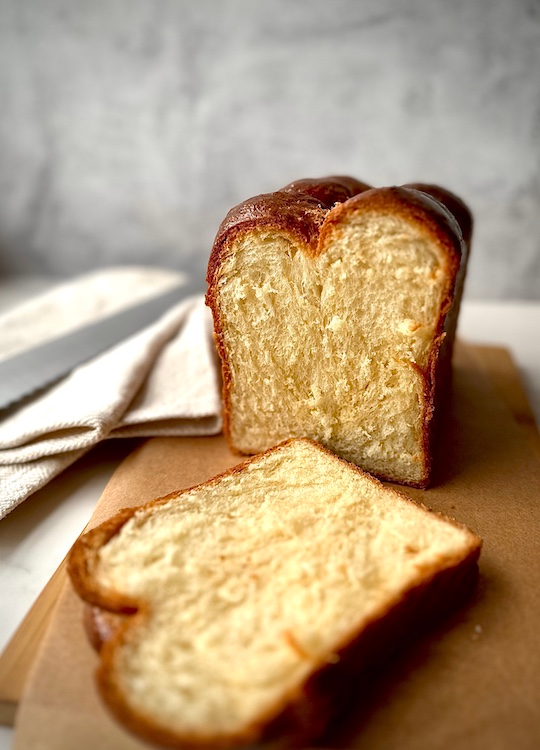
Imagine a bread so incredibly rich, so sumptuously buttery, and so unbelievably tender that it practically melts in your mouth. That’s the exquisite pleasure of Brioche – a true jewel of French patisserie. This isn’t just bread; it’s an indulgent experience, characterised by its golden crust and a crumb so soft it feels like silk.
My recipe for a Rich & Buttery Brioche Loaf is crafted to bring this luxurious bake into your home. Perfect for everything from a decadent breakfast toast, the base for the most incredible French toast, or even as a delightful accompaniment to savoury dishes, brioche offers unparalleled versatility. We’ll explore the techniques that ensure its signature richness and that ethereal, melt-in-your-mouth texture.
In this post, I’ll guide you through every step to create this truly magnificent loaf. Get ready to elevate your baking and savour the pure indulgence of homemade brioche!
What Is Brioche?
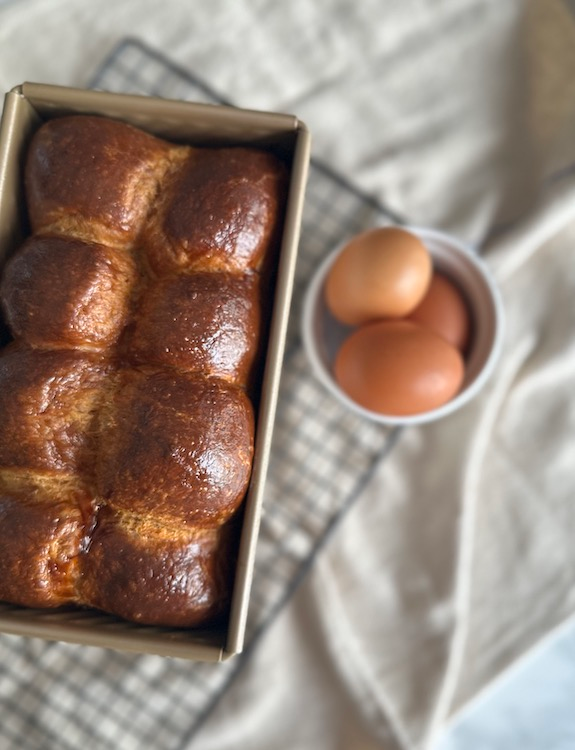
Brioche is a classic French bread renowned for its incredibly rich flavour and tender, airy crumb. Unlike typical lean breads, brioche is an enriched dough, meaning it’s made with a high proportion of butter and eggs, along with milk and sugar. This generous addition of fats and dairy gives brioche its distinctive golden hue, luxurious texture, and sweet, indulgent taste. Historically, brioche dates back to the 16th century in Normandy, France, evolving from a simple bread into the highly prized, buttery delicacy we know today, often enjoyed for breakfast, as a dessert, or even paired with savoury dishes.
Ingredients
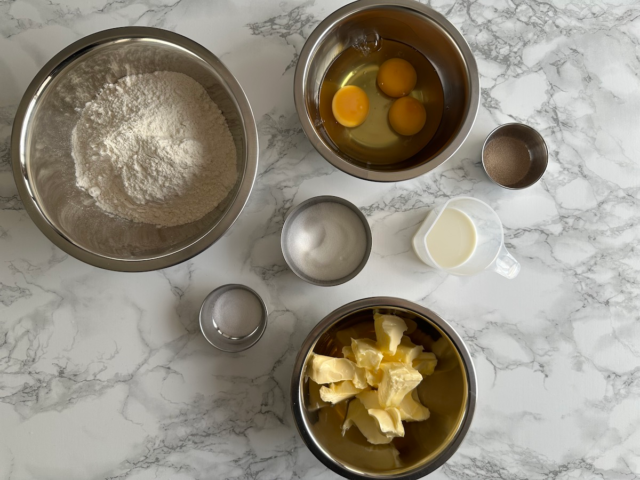
- Bread Flour – is the structural backbone of brioche, chosen for its high protein content (typically 12-14%). Despite the significant fat content in brioche, this robust flour is essential for developing a strong gluten network, allowing the dough to rise beautifully and create that characteristic airy yet rich crumb. For more on gluten read ‘The Secret Life of Flour’
- Table Salt – is crucial for balancing the rich flavours of brioche, preventing it from tasting overly sweet or bland. It also plays a vital role in controlling the yeast’s activity, ensuring a steady and even rise, and strengthens the gluten structure, contributing to the dough’s workability.
- Sugar – in brioche serves multiple critical functions. It provides essential nourishment for the yeast, promoting active fermentation and a good rise. Beyond sweetness, sugar contributes significantly to the bread’s tender crumb, aids in achieving its beautiful golden-brown crust, and enhances the overall luxurious flavour.
- Active instant Yeast – is the leavening agent responsible for brioche’s impressive rise. This convenient form of yeast activates quickly when combined with the other ingredients, efficiently producing the carbon dioxide gas that inflates the dough, resulting in the bread’s light and airy texture. To understand more about yeast and it’s varieties check out my ‘Understanding Yeast: Your Guide to Perfect Fermentation’ post.
- Whole Eggs – are a cornerstone of brioche, contributing significantly to its signature richness, golden colour, and tender texture. They act as a powerful emulsifier, binding the high fat content into the dough, while the proteins provide structure and the yolks add a luxurious flavour and moistness.
- Whole Milk – adds further richness and contributes to brioche’s incredibly soft and tender crumb. Its fats and sugars work to tenderise the dough, enhance browning during baking, and provide a subtle, creamy flavour that complements the butter, resulting in a more delicate texture than water alone.
- Unsalted Butter – is the defining ingredient of brioche, responsible for its unparalleled richness, flavour, and melt-in-your-mouth tenderness. Incorporated gradually, its high fat content tenderises the crumb by coating gluten strands, which necessitates longer kneading to build sufficient structure, ultimately yielding that luxurious, golden loaf.
All The Equipment You Need
- Stand Mixer with a Dough Hook
- Bread Prover – This is how I made my bread prover for under £50: ‘My Homemade Dough Prover: The Key to Consistent Bakes’
- Pullman Loaf Tin 450g
- Bake Spray
- Dough/Bench Scraper
- Mixing Bowl
- Digital scale
- Wire Cooling Rack
Storing The Buttery Brioche
Brioche can be stored at room temperature in an airtight container for 2-3 days. For longer storage, it freezes well for up to 3 months.
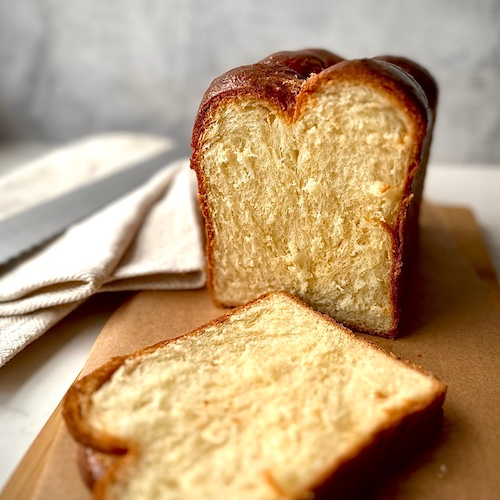
Rich & Buttery Brioche Loaf
Ingredients
Equipment
Method
- Set the prover to 25℃ (77℉)1
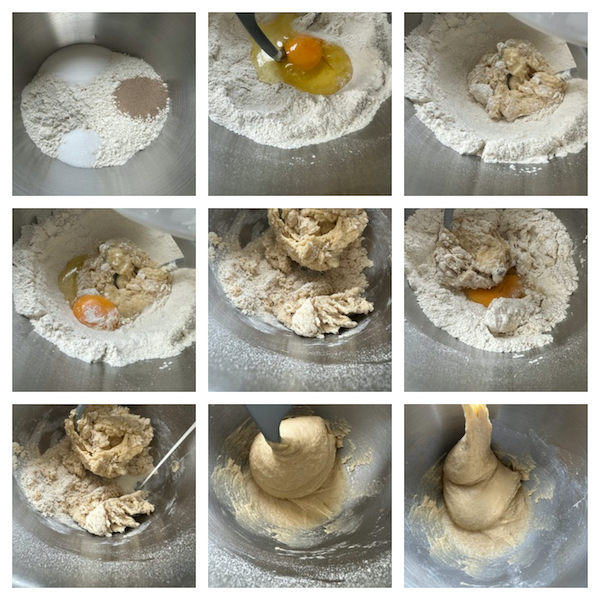
- Add the bread flour into the mixing bowl followed by sugar, salt and yeast in separate corners of the bowl so they are not touching. On a low-medium speed add eggs 1 at a time allowing it to completely incorporate before adding the next, followed by the milk. Turn the mixer up to a medium speed and knead for 4 minutes.

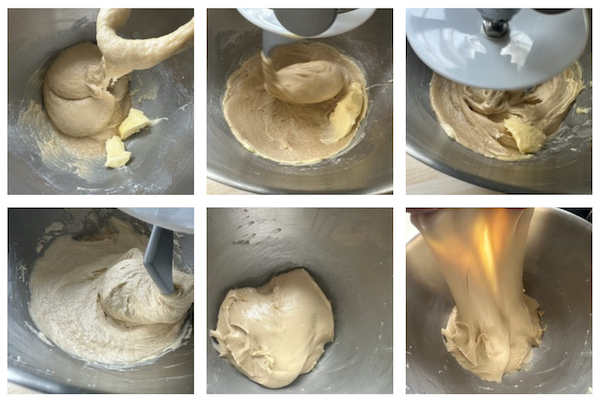
- Turn mixer down to medium-low speed and slowly feed in the butter until fully combined. Crank the mixer up to high and knead, 10-12 minutes.2

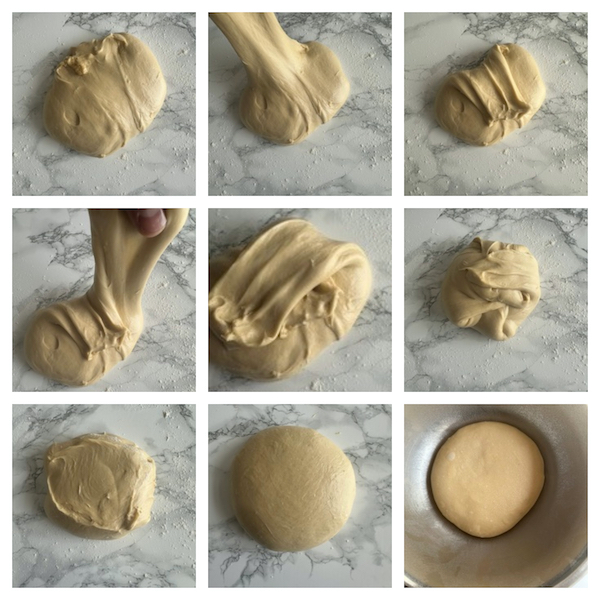
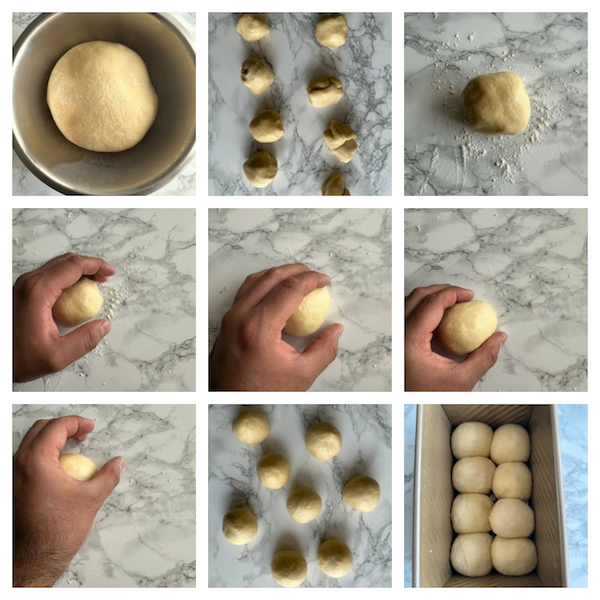
- Lightly flour your work surface and turn the dough out. Pinch a corner of the dough, stretch outwards and fold over onto itself to the centre of the dough. Continue to do this working your way around the dough to form a rough ball. With your dough scraper scoop up the dough and turn over. Use the dough scraper to roll and tuck the dough to form a smooth and tight ball. Place into a lightly greased bowl and cover with cling film (or shower cap) then into the prover for 50 minutes - 1 hour until doubled in size.
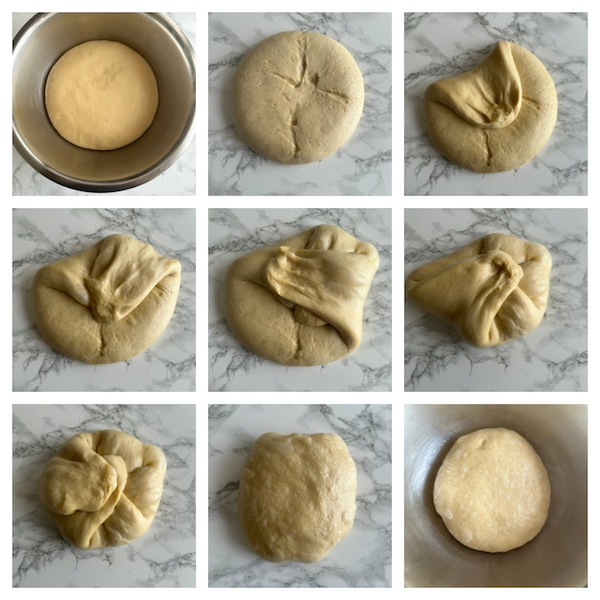
- Once the dough has doubled in size, turn out the dough onto a lightly floured work surface and repeat the previous step to reshape the dough into a ball, cover the dough and into the fridge for 24 hours.3
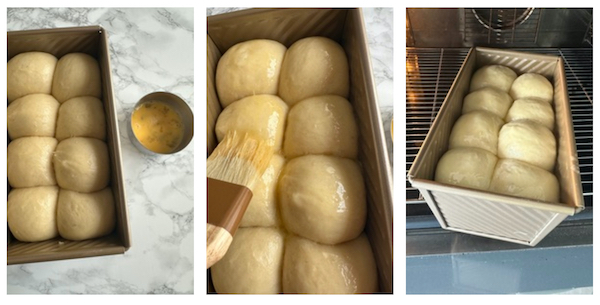
- Lightly grease the loaf tin. Remove the dough from the fridge and divide into 7 or 8 equal pieces. By cupping your hand, roll each piece into a smooth, tight ball. Place into the loaf tin, cover and into your prover for 2 hours. (The dough should rise to about 80% of the tin height)4
- Preheat the oven to 160℃ (320℉). When the dough has risen, egg wash and into the oven for 30-35 minutes. If you tap the bread it should sound hollow.

- Leave to cool in the loaf tin for 30 minutes or so before removing to cool on a wire rack for a couple of hours.
Notes
- Aim for 25°C (77°F) during proofing for optimal yeast activity and controlled rising. Be mindful during the second prove, as rapidly increasing the temperature can cause the high fat content in the dough to separate and melt out, compromising the texture.
- This brioche dough requires a slightly longer kneading time than typical bread doughs (you can compare it to my 'Super Soft White Bread' recipe). This is because the significant fat content in brioche actively hinders gluten development, necessitating more kneading to build the necessary structure.
- When degassing the dough, avoid forcefully punching it down. Instead, rely on gentle shaping and manipulation to remove just enough air for forming, preserving the delicate structure you've worked to develop during fermentation.
- Consider shaping your brioche into seven individual balls for the loaf tin. This allows you to stagger the balls effectively, promoting an even rise and a more aesthetically pleasing final loaf.