
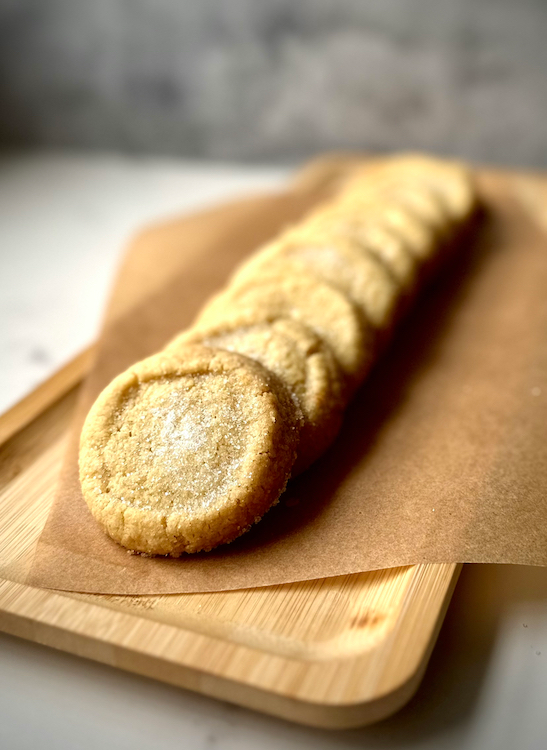
This classic biscuit, with its rich buttery flavour and wonderfully crumbly, melt-in-your-mouth texture, is a testament to the power of quality ingredients and precise technique. It’s not just a cookie; it’s a comforting, elegant treat that’s surprisingly easy to master.
My recipe for Perfectly Crumbly Shortbread focuses on achieving that ideal texture – one that’s firm enough to hold its shape, yet dissolves beautifully the moment it hits your tongue. We’ll dive into the simple science of the fat-to-flour ratio that makes shortbread so unique, ensuring your biscuits are never tough, only tender.
In this post, I’ll guide you through every step to create this timeless classic, from mixing the dough to achieving that signature crumb. Whether you prefer traditional rounds, elegant fingers, or simple squares, get ready to bake a batch of shortbread that will become your new go-to for gifting, sharing, or simply enjoying with a cup of tea.
Ingredients
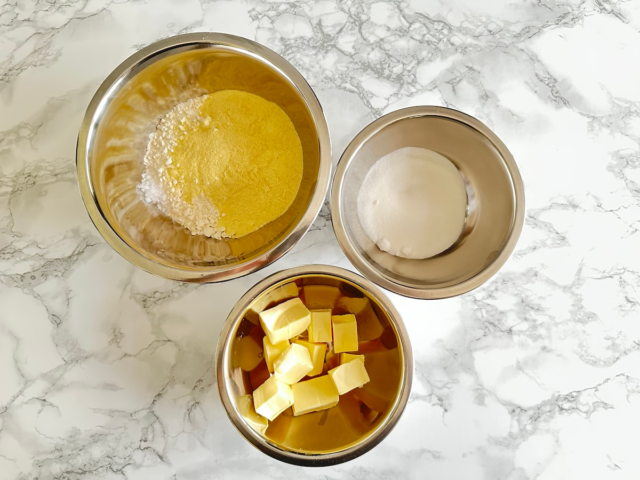
- Plain Flour (All-Purpose) – When baking biscuits and cookies, a plain flour with a slightly higher protein content is preferred (10-12%). This extra protein provides essential structure, ensuring your treats hold together beautifully. After all, what’s worse than taking a bite and having half your delicious biscuit perform an Olympic dive straight to the floor? Check out my ‘The Secret Life of Flour’ post to understand more about gluten!
- Fine Semolina – This is the secret (not so secret) ingredient. Fine Semolina is ideal since the granules are a lot smaller, it is more pleasant to eat but use any type you have on hand. Semolina absorbs moisture better than other finely milled flours, this helps provide a tender crumb!
- Unsalted Butter – As the name suggests, butter is the star of ‘all-butter’ shortbread. We specifically opt for unsalted butter. Firstly, it’s the professional standard in pastry, ensuring consistent results. Secondly, and crucially for flavour, using unsalted butter gives you complete control over the salt level, allowing you to fine-tune the balance of sweet and savoury in your shortbread.
- Caster Sugar
- Sea Salt – Fine or crushed sea salt is going to enhance the buttery flavour so distinct with shortbread.
- Granulated Sugar – For finishing at the end to give the shortbread the classic sugary top.
Flavour Variations
Shortbread is incredibly versatile, offering an almost infinite number of flavour possibilities. You can keep it simple with a touch of vanilla, or brighten it with citrus zest like orange, lemon, or even a combination of both. Explore the spice route by adding cardamom, cinnamon, ginger, mixed spice, or a blend of your favourites – perhaps even paired with citrus zest for an extra layer of complexity. For something more unique, venture into floral or herbal notes with chamomile or finely chopped rosemary. The combinations are truly endless! This recipe is so forgiving and easy, you can even make small batches by hand in just 2-3 minutes to experiment with new flavors, no mixer required.
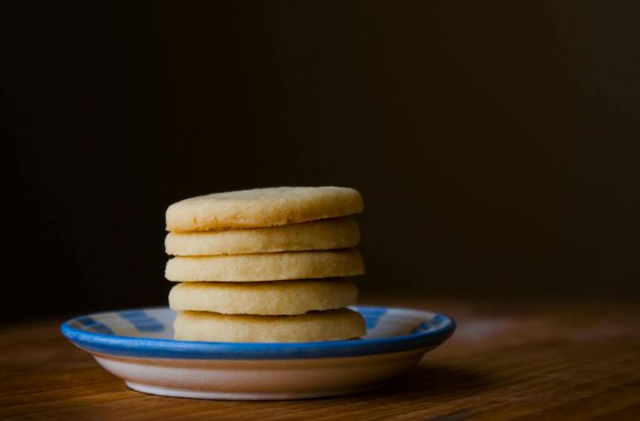
All the equipment you need
- Stand Mixer or Electric Hand Mixer
- Greaseproof Paper (Parchment)
- Baking Trays
Storing you Perfectly Crumbly Shortbread
Baked shortbread will last up to 2 weeks in an airtight container.
Keep the raw dough wrapped in cling film in the freezer for up to 3 months, cut and bake as you need.
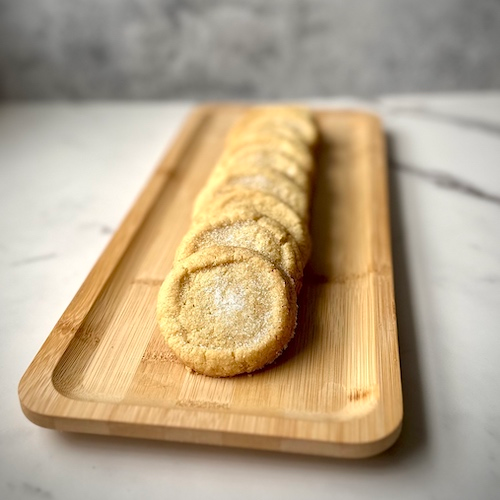
Perfectly Crumbly Shortbread
Ingredients
Equipment
Method
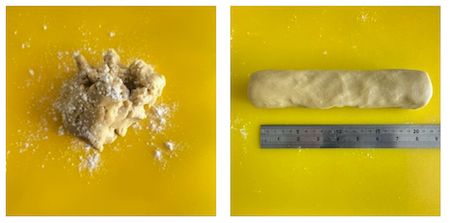
- Place all the ingredients into the stand mixer bowl. Mix on low-medium speed until the butter breaks down and turn the speed up slowly to medium-fast speed. Stop mixing as soon as everything comes together.1

- Turn out onto a lightly floured work surface, and roll into a log 20cm (8 inches) long.2

- Wrap in cling film, place onto a tray and into the freezer for an hour to set firm.
- Preheat the oven to 160℃ (320℉). Line baking trays with greaseproof paper (parchment).
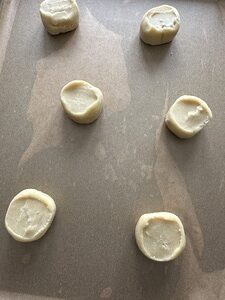
- Remove the log from the fridge and cut 2cm (¾ inch) wide disks, space out on to the baking trays (they will spread slightly) and into the oven for 13-16 minutes. Bake until there is a light golden brown colour.3


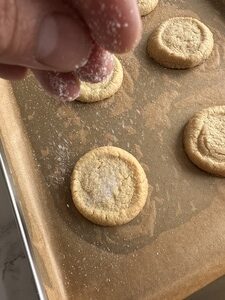
- As soon as the shortbread is out of the oven, sprinkle liberally with granulated sugar and allow to cool for 30 minutes before enjoying!
Notes
- Over-mixing is going to develop the gluten and leave you with a tight and tough shortbread.
- To form a tight, smooth log: Place a 30x40cm piece of greaseproof paper vertically on your work surface. Position the pre-rolled dough log one-third of the way from the top. Fold the bottom two-thirds of the paper over the dough. Using a metal ruler or firm, flat edge, tuck it into the base of the shortbread log and push towards you, forcing the dough to roll tightly within the paper. Repeat this rolling motion a few times until a firm, smooth log is achieved. Keep wrapped in paper and freeze until firm.
- Traditionally shortbread doesn't have and colour on it. I like to bake till a light golden brown for a little bit of bite and also because the semolina in the recipe makes the biscuit super tender, for structure.
- To make shortbread fingers: First, scale up the recipe to ensure enough dough to fill your baking tray 1 inch deep. Line a deep baking tray. After step 1 (mixing the dough), press and level the dough directly into the prepared tray. Pre-cut the dough into fingers and prick each piece a few times with a fork for steam holes. Chill in the fridge or freezer until firm, then bake. Baking times will vary based on size and thickness. Immediately after removing from the oven, re-cut the fingers and sprinkle with sugar.